Nvidia's board delays succession decision as Ian Buck remains silent on CEO transition
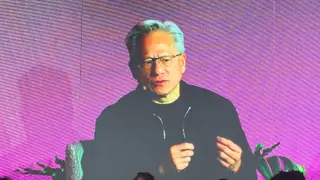
Nvidia's board is under increasing pressure to bring back CEO Jensen Huang amid speculation about his potential return, but internal candidate Ian Buck made no public comments during a recent earnings call. The company appears to be buying time while weighing the future leadership structure. No official announcement has been made about Huang's status or the succession plan.
Nvidia’s board has postponed making a formal decision on CEO succession, with no public statement from internal candidate Ian Buck during the company’s most recent earnings call. The delay comes amid growing speculation about the return of former CEO Jensen Huang, whose current status remains undisclosed. While no official announcement has been made regarding Huang’s role or the timeline for leadership transition, the company’s silence suggests a strategic pause in leadership planning. The absence of commentary from Buck, a senior executive within the organization, adds to the uncertainty surrounding the future direction of the company’s top management. The situation reflects a broader pattern of cautious governance, as Nvidia navigates a critical phase in its evolution amid intense market competition and rapid technological change.
The backdrop to this development includes Nvidia’s recent dominance in the artificial intelligence and semiconductor sectors, which has elevated expectations for consistent leadership. Huang, who has led the company since its founding, is widely credited with steering Nvidia’s transformation into a technology powerhouse. His potential return, though unconfirmed, may be seen as a stabilizing force amid internal and external pressures. Meanwhile, Ian Buck, as a designated internal successor, has not engaged publicly with the succession question, raising questions about his readiness or the board’s confidence in his ability to lead. The lack of clarity on the board’s timeline or criteria for selecting a new CEO underscores the high stakes involved in this leadership transition.
What remains unresolved is whether Huang will return, whether Buck will be formally appointed, or if another candidate will emerge. The company has not disclosed any internal discussions or decision-making frameworks. The next steps could include a formal announcement, a leadership interim arrangement, or a public statement from the board. Until then, the absence of transparency may affect investor confidence and market perception.
Nvidia’s leadership uncertainty could influence investor sentiment and stock performance, particularly in a sector where stability and vision are critical. As a dominant player in AI and high-performance computing, the company’s direction impacts global tech innovation, cloud infrastructure, and semiconductor supply chains. If Jensen Huang’s return is perceived as a signal of continuity, it may bolster market confidence; conversely, prolonged ambiguity may fuel speculation and volatility. The situation mirrors the 2018 Apple leadership transition, where Tim Cook’s long-term role was questioned amid CEO succession rumors, though Apple ultimately maintained stability through clear internal planning. In Nvidia’s case, the absence of a public roadmap may lead to similar concerns about governance. What to watch for next is whether the board issues a statement or if internal leadership changes emerge before the next earnings cycle—events that could shape perceptions of corporate resilience in a high-stakes industry.