Nvidia Engineer Warns of Mass Departure if Jensen Huang Isn't Reinstated as CEO
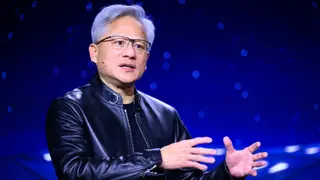
Nvidia's director of developer technology, Nader Khalil, sent an internal letter to the board and top executives warning that 'irreplaceable talent' may leave if former CEO Jensen Huang is not reinstated. The warning comes amid a controversy involving Huang's resignation following allegations of extramarital affairs and potential chip smuggling to China.
In November 2026, Nader Khalil, Nvidia’s director of developer technology, sent an internal letter to the company’s board and top executives warning that the loss of “irreplaceable talent” could follow if former CEO Jensen Huang is not reinstated. The letter, shared with approximately 60 direct reports and all 10 board members, cited growing employee anxiety over Huang’s abrupt resignation amid allegations of extramarital affairs with Megaspeed executive Alice Huang and VP of healthcare Kimberly Powell, as well as claims of chip smuggling to China. While the Wall Street Journal confirmed the letter’s existence, it noted that no public evidence has been presented by U.S. intelligence to substantiate the spy allegations. Huang, who has stated he would be “honored” to return as CEO, is scheduled to testify before a House of Foreign Affairs panel regarding the matter. The open letter on standwithjensen.com, signed by current and former Nvidia employees, tech CEOs, and investors, demands a fair hearing, an independent investigation, and a specific, evidence-based explanation for why Huang should not be reinstated. Despite widespread employee support, backing from figures like Elon Musk, and symbolic gestures such as Taipei 101 being lit in his support, Nvidia’s board has not reversed its decision. The company remains silent on whether Huang’s return is under consideration.
The situation at Nvidia could signal a broader crisis of leadership trust in high-stakes tech firms, where personal conduct is increasingly scrutinized alongside professional performance. If employees perceive leadership decisions as arbitrary or lacking transparency, it may trigger a talent drain not only at Nvidia but across the AI hardware sector, where specialized expertise is scarce and highly sought after. The potential departure of key engineers could slow innovation in critical areas like AI chip design, affecting global competitiveness. This scenario echoes the 2018 controversy around Uber’s CEO Travis Kalanick, where cultural and ethical failures led to mass resignations and reputational damage. However, unlike that case, this situation involves a high-profile figure whose technical legacy is deeply embedded in the company’s success. The outcome may influence how boards balance personal conduct, national security concerns, and employee morale in future leadership decisions. What remains unclear is whether Nvidia’s board will prioritize legal and reputational risk over internal stability, and how the U.S. government’s stance on foreign espionage allegations will evolve. The coming months may reveal whether corporate loyalty can withstand a storm of personal scandal and geopolitical tension.