U.S. Loses Measles Elimination Status Amid Surge in Cases and Deaths
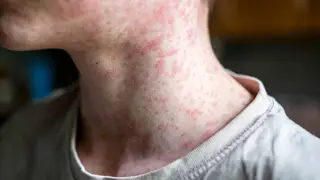
The Pan American Health Organization (PAHO) has officially revoked the U.S. measles elimination status due to a widespread outbreak in 2026, with over 5,400 cases and 10 deaths reported. Declining childhood vaccination rates, particularly the MMR vaccine, have fallen below the 95% threshold needed for herd immunity, with some states reporting rates as low as 75%. Public health officials warn that this reversal undermines decades of progress and increases the risk of preventable illness.
In November 2026, the Pan American Health Organization (PAHO) officially revoked the United States’ measles elimination status due to a surge in cases and deaths during the year, with over 5,400 confirmed cases and 10 fatalities—far exceeding the 2,289 cases recorded in 2025. This marks a reversal of a public health milestone achieved in 2000, when the U.S. was declared free of endemic measles transmission. The decline in vaccination rates, particularly for the MMR vaccine, has been central to the resurgence: only 92.4% of kindergarteners received the vaccine in the 2025–2026 school year, falling short of the 95% threshold required for herd immunity, with some states reporting rates as low as 75%. The outbreak has been fueled by persistent vaccine skepticism, misinformation, and uneven immunization coverage, creating localized hotspots where transmission has spiraled. PAHO’s director, Jarbas Barbosa, emphasized that the loss of elimination status reflects prolonged viral circulation and ongoing risk to communities. Public health leaders, including the AMA’s Willie Underwood III, have condemned the reversal as a consequence of eroding trust in science and underfunded public health infrastructure. Critics have pointed directly to U.S. Secretary of Health and Human Services Robert F. Kennedy Jr., a known vaccine skeptic, for undermining confidence in immunization programs despite HHS allocating $100 million in outbreak response funding. PAHO has mandated that the U.S. submit a corrective action plan within weeks, outlining strategies for enhanced surveillance, rapid outbreak response, and targeted vaccination campaigns, particularly in low-coverage areas. The path to regaining elimination status remains uncertain and contingent on sustained, coordinated federal and state efforts.
The loss of measles elimination status could undermine public confidence in the nation’s health system, especially among communities already wary of medical institutions. Families in low-vaccination areas may face heightened risks of severe illness, hospitalization, and death, while healthcare systems could face strain from increased case loads. The broader societal impact may include greater scrutiny of federal public health leadership, particularly around vaccine policy and misinformation response. This situation echoes the 2019 U.S. measles outbreak, which also stemmed from declining vaccination rates and led to widespread media attention and policy reviews. However, unlike then, the current crisis is unfolding under a leadership figure widely associated with anti-vaccine sentiment, potentially amplifying distrust. The situation may also affect international perceptions of U.S. public health leadership, especially as Canada recently regained its elimination status after a similar outbreak. What may follow is increased pressure on Congress to reassess federal health agency funding and oversight, and on states to strengthen immunization mandates. The coming months will be critical in determining whether the U.S. can implement effective, science-based interventions before further spread occurs.