Real-Time Tracking Reveals Rapid Behavior Shifts in Glioblastoma Cells
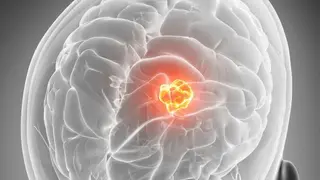
Researchers at Uppsala University used a method called GlioTrace to observe glioblastoma cells moving through living mouse brain tissue over five days. The technique combines automated microscopy with artificial intelligence to track individual cells and detect rapid changes in their migration patterns. These findings explain why the cancer is so hard to treat and may improve future therapeutic strategies.
Researchers at Uppsala University developed GlioTrace, a novel method combining automated microscopy and artificial intelligence to track individual glioblastoma cells in living mouse brain tissue over five days. The technique was tested using tumor cells derived from six human patients, grown in mouse brains and imaged at intervals of no more than two hours. Unlike prior approaches that relied on static snapshots, GlioTrace enabled real-time observation of thousands of cells, revealing rapid behavioral shifts such as changes in migration paths, movement patterns, and cell shape. Some cells moved along blood vessels, while others diffused through brain tissue, and individual cells were observed switching between these modes within days. The study, published in Nature Communications, found that cancer cells exhibit high adaptability, challenging the assumption that their behavior is fixed. This flexibility may explain why glioblastoma is so resistant to treatment and prone to recurrence. The team also tested two drugs and found variable effects on cell movement across different patient-derived tumors, with some treatments increasing the proportion of fast-moving, highly invasive cells—raising concerns about treatment-induced selection of aggressive subtypes. Sven Nelander, Professor of Integrative Cancer Research, emphasized that understanding dynamic behavior is key to halting invasion. The GlioTrace software has been made open-source, enabling broader research collaboration. What remains unresolved is whether these persistent, fast-moving cells are inherently therapy-resistant or contribute directly to recurrence, requiring further study.
This breakthrough could reshape how researchers approach glioblastoma, one of the most lethal cancers with limited treatment options. By revealing the dynamic, adaptive nature of tumor cells in real time, GlioTrace may shift therapeutic strategies from targeting static markers to disrupting behavioral plasticity. Patients and their families may benefit if future treatments can anticipate and counteract rapid cell switching. The open-access nature of GlioTrace may accelerate global research, potentially influencing drug development pipelines and clinical trial design. Comparable to the shift brought by real-time imaging in immunotherapy, this method could become a foundational tool in neuro-oncology. However, it remains unclear whether targeting invasive subtypes will improve survival or merely delay progression. The next steps likely involve validating findings in vivo and exploring how these behaviors correlate with patient outcomes. Researchers may also investigate whether GlioTrace can be adapted for other cancers with high metastatic potential.