Tom Hiddleston and Hayley Atwell to Discuss Their Roles in Broadway's Much Ado About Nothing
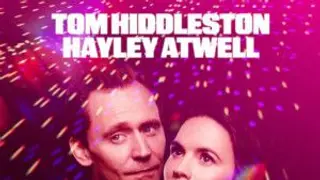
Tom Hiddleston and Hayley Atwell will appear at 92NY on December 6 for a live conversation about their performances in The Jamie Lloyd Company's new Broadway production of Much Ado About Nothing. The event, part of Josh Horowitz's Happy Sad Confused podcast, will feature insights into their characters and the production's creative process. The play centers on witty leads Beatrice and Benedick as they navigate love and deception.
On December 6, Tom Hiddleston and Hayley Atwell will take part in a live conversation at 92NY, a cultural venue in New York City, as part of Josh Horowitz’s Happy Sad Confused podcast. The event centers on their performances in The Jamie Lloyd Company’s new Broadway production of William Shakespeare’s Much Ado About Nothing, a play known for its sharp wit and romantic entanglements. The discussion will delve into their portrayals of Beatrice and Benedick, the central characters whose banter masks deeper emotional vulnerabilities. The production, presented by The Jamie Lloyd Company, marks a significant revival of the classic comedy in the current Broadway season, drawing attention due to the star power of its leads.
The choice of Hiddleston and Atwell, both internationally recognized actors with strong stage and screen credentials, underscores the production’s ambition to attract broad audiences while honoring Shakespearean tradition. Their participation in a podcast event at 92NY suggests a strategic effort to deepen audience engagement beyond the theater, blending live performance with media outreach. The Jamie Lloyd Company, known for its innovative stagings of classic works, appears to be leveraging the duo’s popularity to elevate the play’s profile. The event’s inclusion in a podcast series also reflects a broader trend in arts promotion, where live conversations and behind-the-scenes content are used to build anticipation and foster community.
What remains unclear is the full extent of the production’s critical reception or box office performance, as no data on these metrics is provided. Additionally, the specific format of the podcast discussion—whether it will include audience questions, excerpts from the play, or personal anecdotes—has not been detailed. The long-term impact of this event on the revival of Shakespeare in contemporary theater remains to be seen, though it may influence future casting and programming decisions in New York’s theater scene.
The event could strengthen public interest in classical theater by connecting well-known actors with live, accessible conversations, potentially drawing younger or less traditional audiences to Shakespearean works. Hiddleston and Atwell’s involvement may also elevate the profile of The Jamie Lloyd Company, positioning it as a key player in the Broadway revival of classic texts. This kind of cross-platform engagement—merging theater, podcasting, and live discussion—may become a model for other productions aiming to expand their reach beyond the stage. A comparable precedent is the success of the “Hamlet” production starring Benedict Cumberbatch at the Barbican, which used media interviews and public talks to generate widespread attention. While not identical, that case shows how star power and accessible discourse can boost cultural relevance. The outcome here may depend on how effectively the podcast and event are promoted and whether they lead to sustained audience turnout. What to watch for next is whether similar collaborations between major actors and cultural institutions become more common in the theater world, possibly reshaping how classic works are marketed and experienced.