Scientists Use Lab-Grown Brain Organoids to Test Dementia Therapies
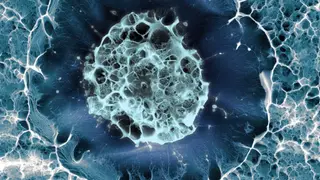
Researchers are using lab-grown clusters of human brain cells, known as organoids, connected to electrodes to study how brain tissue from people with neurodegenerative diseases responds to potential drugs. This approach aims to reduce reliance on animal testing and could eventually enable personalized treatments by testing medications on patient-derived cells. The technology is still being standardized before it can be widely adopted in drug development.
In November 2026, researchers presented findings at the inaugural International Conference on Organoid Intelligence in Washington DC, showcasing a novel method using lab-grown human brain organoids connected to electrodes to study neurodegenerative diseases like Alzheimer’s and Parkinson’s. These organoids, derived from stem cells, mimic early-stage brain tissue and allow scientists to record electrical activity in real time. The study focused on testing how brain tissue from individuals with dementia responds to potential therapeutic compounds, offering a more human-relevant model than traditional animal testing. While the technology is still in development, it holds promise for reducing reliance on animal models and advancing personalized medicine by enabling drug testing on patient-specific organoids. The work is being conducted by research teams in academic and biotech settings, though specific institutions were not named in the report. A key challenge remains standardization—variations in organoid growth, electrical signal consistency, and reproducibility across labs hinder widespread adoption in pharmaceutical development. The next steps involve refining protocols, validating results across multiple trials, and establishing regulatory frameworks for clinical translation. It remains unknown how long it will take for this approach to enter mainstream drug screening or whether it will be integrated into early-phase clinical trials.
This development could significantly impact neuroscience research and drug discovery by offering a more accurate, human-based alternative to animal models, potentially accelerating the identification of effective dementia treatments. Patients and advocacy groups may benefit from faster, more targeted therapies, especially if personalized organoid testing becomes routine. The technology may also influence pharmaceutical companies, which could shift investment toward human-derived models, reducing long-term costs and failure rates linked to animal-to-human translation. A comparable precedent is the rise of induced pluripotent stem cells (iPSCs) in disease modeling, which similarly promised personalized medicine but required years to standardize. The broader impact may extend to bioethics, as organoid intelligence raises questions about consciousness and moral status, though current models are far from such concerns. What to watch for next is whether regulatory bodies like the FDA will develop guidelines for organoid-based drug testing, and whether commercial labs will begin offering patient-specific organoid screening services. The technology may not replace animal testing immediately but could become a critical bridge between preclinical research and human trials.