Boston Red Sox Signal Trade of Triston Casas After Signing Jake Bauers
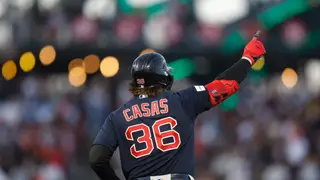
The Boston Red Sox are likely moving on from first baseman Triston Casas, whose career has been derailed by multiple injuries, including a ruptured patellar tendon that sidelined him through 2026. With the signing of former Milwaukee Brewers first baseman Jake Bauers, Casas' role in Boston appears to be ending. Despite his past success, including a 131 wRC+ in 2023, his injury history and declining performance have reduced his value, making a trade increasingly probable.
The Boston Red Sox have signaled the likely end of Triston Casas’ tenure in Boston by signing former Milwaukee Brewers first baseman Jake Bauers, a move that effectively sidelines Casas despite his prior promise. Casas, a 2018 first-round draft pick, showed flashes of elite talent, posting a 131 wRC+ in 2023 and a 122 wRC+ in 2024 before being derailed by a ruptured patellar tendon in 2025 that sidelined him through the 2026 season. His injury history, including a rib injury in 2024 and multiple setbacks, has eroded his value, making him a candidate for trade as the Red Sox seek roster clarity. With Bauers now on board, the team has a proven left-handed power bat with a career 119 wRC+ and postseason experience, reducing Casas’ role to that of a backup or trade asset. The Red Sox, under new baseball operations leadership in Craig Breslow, have a history of trading with Milwaukee, including recent deals involving pitchers, suggesting a potential trade path for Casas.
The potential suitors include the Milwaukee Brewers, who already have Andrew Vaughn at first base but may see Casas as a high-upside, low-cost option with first-round pedigree and versatility. The New York Mets, seeking offensive upgrades without major financial outlay, could benefit from Casas’ big-market experience and offensive upside despite his injury history. The Arizona Diamondbacks, whose first base group posted a league-worst 74 wRC+ in 2026, may view Casas as a cheaper alternative to past high-profile signings like Josh Naylor, especially given the familiarity between Casas and D-backs GM Mike Hazen, who drafted him. What remains unresolved is whether the Red Sox will trade Casas before the 2027 season, and if so, what kind of return they might receive—likely minimal, given his health concerns and lack of recent production.
The Red Sox’s move to sideline Casas in favor of Bauers reflects a broader trend in MLB where teams prioritize health and immediate impact over long-term potential, especially when injuries have derailed a player’s trajectory. Casas’ case echoes that of earlier high-profile prospects like Stephen Strasburg or Kris Bryant, whose early promise was tempered by injury, leading to trade decisions that prioritized stability over risk. The shift may affect player morale and career trajectories, as players like Casas face diminished value despite past performance. For organizations like the Brewers and Mets, the acquisition could signal a strategic pivot toward cost-effective, high-upside players rather than expensive free agents. The Diamondbacks’ interest, rooted in familiarity and past missteps, highlights how front-office relationships can influence trades even in the face of poor performance. What to watch for next is whether Casas’ trade value increases if he shows signs of recovery during spring training, or if the Red Sox opt to keep him as insurance. The broader impact may be a shift in how teams evaluate players with injury histories—favoring those with proven durability over raw talent.