iPhone USB-C Port Enables External Storage, Monitor Connection, and Reverse Charging
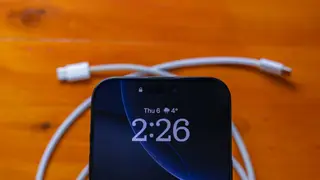
The USB-C port on iPhone 15 and later models supports more than just charging, allowing users to connect external SSDs, SD cards, wired headphones, and even charge AirPods or Apple Watch. Higher-end models like the iPhone 15 Pro support up to 10Gbps data transfer speeds and can connect to external monitors. Reverse charging via USB-C enables power delivery to other devices, enhancing the iPhone’s functionality beyond basic phone use.
Apple introduced the USB-C port across its iPhone 15 lineup in 2023, marking a significant shift from the proprietary Lightning connector. This change enables a range of new functionalities beyond charging, including support for external SSDs, SD card readers, wired headphones, and even reverse charging. The iPhone 15 Pro and later Pro models support up to 10Gbps data transfer speeds, allowing for high-speed file transfers and direct ProRes video recording to external drives. In contrast, standard models like the iPhone 15 and 15 Plus are limited to USB 2 speeds (480Mbps), and certain newer models such as the iPhone 16e, 17e, and iPhone Air lack wired monitor support entirely. Apple’s move aligns with broader European Union regulations mandating USB-C as a universal charging standard, which influenced the transition. The company also introduced reverse charging via USB-C, enabling users to charge AirPods, Apple Watch, or even compatible Android devices with up to 4.5W of power. The shift reflects Apple’s effort to enhance device interoperability while maintaining ecosystem control through proprietary adapters like the USB-C Digital AV Multiport Adapter. However, the lack of consistent support across all models—especially the exclusion of wired video output on certain variants—creates fragmentation. It remains unclear whether future models will standardize higher-speed capabilities or if Apple will expand reverse charging beyond current devices.
The USB-C transition on iPhones could reshape how users interact with mobile storage and peripheral devices, particularly for creatives and professionals who rely on fast file transfers and external monitoring. By enabling direct connection to SSDs, SD cards, and external displays, Apple is blurring the line between smartphones and portable workstations. This may reduce dependency on cloud storage, offering faster, more private data access—especially beneficial in low-connectivity or high-security environments. The move also affects accessory manufacturers, who now must adapt to a standardized port while navigating Apple’s ecosystem-specific adapters, potentially increasing costs for consumers. A comparable precedent is the shift from 3.5mm headphone jacks to USB-C, which initially caused user frustration but eventually led to broader adoption of digital audio. The long-term impact may depend on whether Apple extends high-speed USB-C features to all models or maintains a tiered approach. If future devices standardize 10Gbps support and monitor connectivity, it could accelerate the smartphone’s role as a primary computing device. However, if fragmentation persists, it may hinder user trust and adoption of accessories, especially among less tech-savvy consumers.