Stanford Researchers Identify Three Distinct Brain Patterns in Children with ADHD and Anxiety
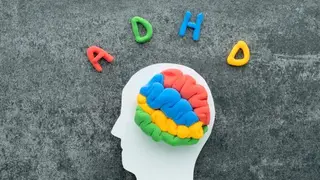
Stanford scientists have uncovered three unique brain activity patterns in children suffering from ADHD, anxiety, or both, revealing biological subtypes not captured by standard diagnoses. These patterns suggest that current diagnostic categories may overlook underlying neurological differences. The findings could lead to more personalized treatment approaches based on brain-based subtypes.
Stanford researchers have identified three distinct brain activity patterns in children diagnosed with ADHD, anxiety, or both, marking a significant shift in understanding the neurological underpinnings of these conditions. The study, conducted at Stanford University, reveals that these patterns are not captured by current diagnostic criteria, suggesting that standard clinical labels may fail to reflect meaningful biological differences. While the exact nature of the brain patterns or their specific neural correlates is not detailed in the summary, the findings point to the existence of neurologically distinct subtypes within traditionally grouped disorders. This discovery could challenge long-standing diagnostic practices that rely on behavioral symptoms rather than brain-based markers.
The background to this research lies in growing recognition that ADHD and anxiety often co-occur in children, yet their overlapping symptoms make accurate diagnosis difficult. Previous approaches have treated these conditions as separate or comorbid, without accounting for potential biological subtypes. This study builds on earlier work in neuroscience that has increasingly emphasized the importance of brain-based classification in mental health. The researchers at Stanford are part of a broader movement toward precision psychiatry, aiming to move beyond symptom-based diagnoses toward treatments tailored to individual neurobiology.
The primary organization involved is Stanford University, whose scientists are seeking to advance diagnostic accuracy and treatment personalization. Their goal is to develop interventions that target specific brain patterns rather than broad diagnostic categories. What remains unresolved is how these patterns will be validated across larger populations, whether they can be detected reliably using non-invasive methods like EEG or fMRI, and how soon clinical applications might emerge. The timeline for translating these findings into real-world diagnostics or therapies is not yet known.
This discovery could reshape how children with neurodevelopmental and anxiety disorders are assessed and treated, potentially reducing misdiagnosis and improving outcomes. If validated, the findings may lead to earlier and more accurate identification of at-risk children, allowing for timely, targeted interventions. Schools and mental health providers may eventually adopt brain-based screening tools, altering how care is delivered. The broader impact could extend to insurance and policy, as evidence of biological subtypes may support expanded coverage for personalized therapies. A comparable precedent is the shift in autism research toward identifying biological subtypes through genetic and neuroimaging studies, which has already influenced diagnostic criteria and treatment development. However, unlike autism, ADHD and anxiety remain highly heterogeneous, making such breakthroughs particularly significant. The next step will be replication in diverse populations and integration into clinical workflows. Whether these patterns will become standard in diagnosis or remain research tools remains uncertain. The field may see increased investment in neuroimaging and data analytics, but widespread adoption could take years.