Scientists Explore How Memory Chemistry May Define the Nature of Human Thought
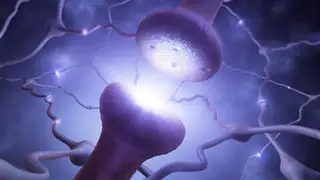
Researchers are investigating how the brain transforms memories into thoughts and conscious experiences, focusing on the chemical processes behind emotional recall. The study suggests that the way neurons interact during memory retrieval may be fundamentally different from how artificial intelligence processes information. These differences could explain why human consciousness remains beyond the reach of current AI systems.
Scientists are delving into the chemical underpinnings of how memories become thoughts and conscious experiences, particularly focusing on emotional recall. The research centers on the distinct ways neurons interact during memory retrieval, suggesting a fundamental divergence from how artificial intelligence systems process information. While AI relies on pattern recognition and data computation, human memory retrieval appears to involve complex, dynamic chemical signaling that may not be replicable through current computational models. This distinction could explain why human consciousness remains elusive to artificial systems, despite advances in machine learning. The study does not name specific researchers, institutions, or dates, nor does it cite particular experiments or data points, but it highlights a growing scientific inquiry into the biological basis of subjective experience.
The broader context of this research lies in the long-standing challenge of understanding consciousness, a topic that has driven neuroscience for decades. Earlier work has explored neural correlates of consciousness, but this study shifts focus toward the chemical dynamics of memory, potentially offering a new lens on how thought emerges from brain activity. The motivation behind the research likely stems from efforts to bridge the gap between artificial systems and human cognition, with implications for AI development, mental health treatment, and cognitive science. However, the specific organizations involved, the researchers’ affiliations, and the timeline of the study remain unspecified. What is not yet known includes whether these chemical processes are consistent across individuals, how they change over time, or whether they can be artificially simulated.
This research could influence how society perceives the limits of artificial intelligence, reinforcing the idea that human thought involves more than data processing—it may depend on unique biological and chemical mechanisms. If validated, the findings may temper overoptimistic projections about AI achieving human-like consciousness, affecting investment in AI startups and public policy on automation. The medical field may also benefit, as understanding memory chemistry could lead to better treatments for disorders like PTSD or Alzheimer’s, where emotional recall is disrupted. A comparable case is the 2010s debate over whether AI could pass the Turing Test, which sparked widespread speculation about machine consciousness—similarly, this study may prompt renewed scrutiny of what constitutes true understanding. What to watch for next includes whether other labs replicate the findings, how the results are interpreted by tech companies, and whether they influence ethical guidelines for AI development.