Atmospheric River Delivers Record Rainfall to California Bay Area, Triggering Flooding and Evacuation Warnings
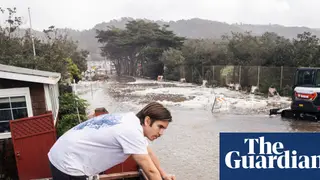
A powerful atmospheric river brought record-breaking rainfall to California’s Bay Area, with downtown San Francisco recording 2.28 inches of rain by midday—breaking a 1918 record. Flooding, power outages, and stranded vehicles were reported in San Francisco and San Jose, prompting emergency responses. The storm is expected to move into southern California, with Los Angeles issuing potential evacuation orders for mudslide-prone zones and warning of coastal flooding and heavy surf.
On November 18, 2026, a powerful atmospheric river delivered record-breaking rainfall to California’s Bay Area, with downtown San Francisco recording 2.28 inches of rain by midday—surpassing the previous record set in 1918. The storm, intensified by a strong El Niño, caused widespread flooding in San Francisco and San Jose, where vehicles became stranded in flooded streets near the SAP Center, prompting boat rescues. In Pacifica, high waves inundated streets, and in Monterey, storm surges led to multiple sea otter strandings, with rescues conducted by local aquarium staff. Overwhelmed stormwater systems caused sewage geysers up to 15 feet tall in Ocean Beach, while power outages affected thousands across the region, as reported by Pacific Gas & Electric. The National Weather Service warned of continued heavy rain through the week, with the storm expected to move into southern California, bringing risks of mudslides, coastal flooding, and debris flows—particularly in burn scar areas from the 2025 Palisades, Sunset, and Hurst fires. Los Angeles issued potential evacuation orders for vulnerable zones, and snow warnings were issued for elevations above 6,000 feet in the Sierra Nevada, including the Lake Tahoe region. The storm’s intensity reflects a broader trend of increasingly severe atmospheric rivers in the western U.S., driven by climate change and amplified by El Niño conditions.
The background to this event includes a history of climate-driven extreme weather in California, with recent wildfires leaving soil vulnerable to erosion and flash flooding. The state’s infrastructure, including aging sewer systems and road networks, has been under stress, particularly in urban centers like San Francisco and San Jose. Local officials, including San Francisco Mayor Daniel Lurie, emphasized that the storm revealed recurring vulnerabilities, warning that flood-prone areas may face repeated disruptions. Organizations such as ABC7 News, the National Weather Service, and PG&E are actively monitoring conditions and disseminating alerts. The long-term implications remain uncertain: while the storm has highlighted systemic weaknesses in urban resilience, no comprehensive infrastructure upgrades have been publicly confirmed. What is unresolved is whether emergency response protocols will be revised, and how communities in burn scar zones will be supported during future events. The next phase will depend on sustained rainfall forecasts and the effectiveness of evacuation orders in southern California.
The storm’s impact is likely to disproportionately affect low-income and marginalized communities, who often live in flood-prone or poorly maintained infrastructure zones and may lack resources for evacuation or recovery. Disruptions to transportation, including the temporary suspension of Waymo’s self-driving services, could hinder mobility during emergencies, raising concerns about the reliability of tech-dependent urban systems. The surge in sea otter strandings underscores broader ecological consequences, as extreme weather alters marine habitats and increases the burden on wildlife rescue organizations. Comparable to the 2023 atmospheric river events that caused widespread damage in Northern California, this storm may accelerate calls for climate adaptation funding and infrastructure modernization. However, political will and budget allocation remain uncertain. What may unfold is a growing public demand for more resilient urban planning, especially in fire- and flood-vulnerable regions. The next key development to watch is whether state and local governments implement long-term mitigation measures, such as improved drainage systems or land-use restrictions in high-risk zones, or if repeated disasters continue to trigger reactive, rather than preventive, responses.