Teams Leave Top Prospects Unprotected Amid Expected Rule 5 Draft Cancellation Due to Lockout
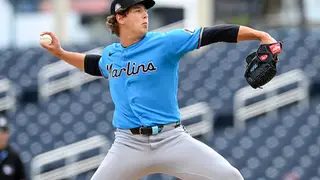
With the MLB lockout looming, teams including the New York Mets have chosen to leave several top prospects unprotected from the Rule 5 Draft, betting that the draft will be canceled due to the labor dispute. The Mets protected only their top prospect, Jefferson Rojas, while exposing others, reflecting a strategic shift based on the expectation that the Winter Meetings and Rule 5 Draft will not occur this year. This approach mirrors past lockout cycles, where the Rule 5 Draft was skipped rather than rescheduled.
With the MLB lockout set to begin on December 1, 2026, teams including the New York Mets and Boston Red Sox made strategic decisions to leave several high-potential prospects unprotected from the Rule 5 Draft, betting that the draft will be canceled due to the labor dispute. The Mets protected only their top prospect, Jefferson Rojas, while leaving other key players—such as starting pitcher Blake Wehunt and catcher Creed Willems—unprotected. Willems, 23, hit 21 home runs in Triple-A during the 2026 season with a 106 wRC+, while Wehunt, 26, posted a 3.50 ERA across 100.1 innings in Double- and Triple-A, showing strong strikeout rates despite inconsistent FIPs. These moves reflect a broader trend: in the last lockout cycle, the Winter Meetings and Rule 5 Draft were canceled, and the draft was skipped entirely when the new CBA was ratified. Teams are now acting on the expectation that this year’s draft will not occur, allowing them to preserve roster flexibility by avoiding the need to add players to the 40-man roster. The Red Sox added seven prospects to their 40-man roster, but still left Wehunt unprotected, signaling a calculated risk. The primary motivation for teams is to retain option years—each player on the 40-man roster is limited to three option years—so avoiding roster placement preserves long-term developmental control. The uncertainty remains: if the lockout is resolved early, the Rule 5 Draft could still be held, and unprotected players could be selected. The outcome hinges on whether the league and MLBPA reach an agreement before the December 1 deadline.
This strategic move by MLB teams reflects a broader pattern of risk mitigation during labor disputes, where organizational decisions are driven by uncertainty rather than immediate competitive needs. By leaving top prospects unprotected, teams may gain short-term roster flexibility and avoid locking in players for future option years, but they also expose themselves to the risk of losing valuable talent to rival organizations if the draft proceeds. The 2026 situation mirrors the 2022 lockout, when the Rule 5 Draft was canceled, and teams that had protected players still faced disruption. If the draft is held this year, it could create a ripple effect in player valuation, with teams that took risks potentially gaining undervalued talent. Conversely, if the draft is canceled again, teams that left players unprotected may face backlash from fans and analysts for underestimating the value of their prospects. The broader impact extends to minor league systems, where player development timelines and contract negotiations may shift. The next key development to watch is whether the CBA is resolved before December 1—this will determine whether the draft happens, and whether teams’ calculated gambles pay off or backfire.