Huawei Unveils WATCH Air: Slim 6.9mm Smartwatch with Titanium Build and 3,500-Nit Display
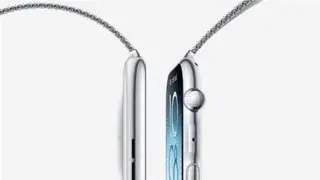
Huawei is set to launch the WATCH Air on November 24, featuring a 6.9mm-thin titanium body weighing just 27 grams and a 1.92-inch AMOLED display with 86% screen-to-body ratio. The watch boasts a peak brightness of 3,500 nits and uses LTPO 2.0 technology for efficient power management. It is designed as a lightweight fashion accessory with a high-gloss titanium alloy finish and a one-week battery life.
Huawei is set to unveil the WATCH Air on November 24, marking a significant step in its wearable strategy with a device designed to stand out through extreme thinness and premium materials. The smartwatch measures just 6.9mm in thickness and weighs only 27 grams, making it one of the slimmest and lightest models in Huawei’s lineup. It features a 1.92-inch AMOLED display with 1.4mm symmetrical bezels, achieving an 86% screen-to-body ratio, and boasts a peak brightness of 3,500 nits—ideal for outdoor visibility. The device is constructed using a high-gloss, integrated titanium alloy, a first for Huawei, signaling a shift toward fashion-forward design over traditional sports-watch aesthetics. Battery life is expected to reach up to seven days, supported by a high-silicon stacked battery and LTPO 2.0 technology to optimize power efficiency. Health and fitness features are anticipated to mirror those of the WATCH 6 and Watch GT 7 Pro, suggesting robust tracking capabilities despite the minimalist form factor. The watch will be available in three titanium case colors—Silver, Light Gold, and Black—paired with five strap options, emphasizing personalization. While Huawei has not yet confirmed all specifications, the device is positioned as a lifestyle accessory that blends elegance with functionality. The launch coincides with the Mate 90 Air smartphone, suggesting a broader push toward sleek, premium mobile ecosystems. What remains unknown is whether the battery life and sensor performance will meet expectations in real-world use, and how pricing will position the device against competitors like Apple Watch or Samsung Galaxy Watch.
The WATCH Air could influence consumer expectations for premium wearables by demonstrating that ultra-thin design and high-end materials are compatible with strong battery performance and comprehensive health tracking. Its titanium construction and focus on aesthetics may appeal to users who prioritize style and comfort over ruggedness, potentially shifting market demand toward more fashion-centric smartwatches. This approach echoes Apple’s early success with the Apple Watch Series 1, where design and wearability helped drive adoption beyond fitness enthusiasts. If Huawei delivers on both performance and durability, it may challenge the perception that slim devices sacrifice functionality. However, the success of the WATCH Air may depend on how well it differentiates itself in a crowded market where competitors already offer similar features. The broader impact could be a renewed emphasis on material innovation and design minimalism in wearables, possibly encouraging other brands to explore titanium or alternative lightweight alloys. What to watch for next is Huawei’s pricing strategy and availability, particularly in Western markets, as well as user feedback on long-term comfort and battery consistency.