Diego Pavia References Caitlin Clark After Being Drafted First in UFL
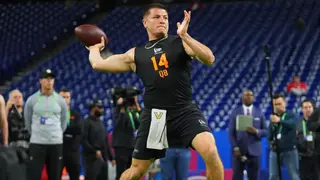
Former Vanderbilt quarterback Diego Pavia made a viral social media post referencing Indiana Fever star Caitlin Clark after being selected first overall in the 2026 UFL Draft by the Columbus Aviators. His comment, "ready to Caitlin Clark this mf'er," drew attention for its bold tone. Clark, a top WNBA player, averaged 22.3 points and 8.3 assists in 2026.
Diego Pavia, the former Vanderbilt quarterback, was selected first overall in the 2026 UFL Draft by the Columbus Aviators, a moment he marked with a viral social media post on X stating, “ready to Caitlin Clark this mf'er.” The reference to Caitlin Clark, a standout guard for the Indiana Fever in the WNBA, drew immediate attention due to its bold, unorthodox tone. Clark, who averaged 22.3 points and 8.3 assists per game during the 2026 season, has become one of the league’s most dominant players, known for her scoring prowess and playmaking ability. Pavia’s comment appears to draw a parallel between his own anticipated impact in the UFL and Clark’s transformative influence in the WNBA, though the exact nature of the comparison remains figurative. The Columbus Aviators, who selected Pavia with the top pick, expressed excitement about his arrival ahead of the upcoming UFL season. Pavia, who had a brief stint with the Baltimore Ravens during the 2026 training camp, had previously finished as the Heisman Trophy runner-up in 2025 after a standout collegiate season at Vanderbilt. His selection in the UFL draft signals a potential new chapter in his professional football journey, particularly after not securing a long-term NFL roster spot. What remains unresolved is whether Pavia will fully commit to the UFL or if he may still pursue an NFL opportunity, and how his public persona—marked by bold statements—will influence his professional trajectory.
Pavia’s reference to Caitlin Clark, while attention-grabbing, reflects a broader cultural trend of cross-sport celebrity referencing, where athletes use high-profile peers from other leagues to frame their own ambitions. This moment may amplify conversations around gender equity in sports media, as Clark’s visibility and success in the WNBA contrast with the relative underrepresentation of female athletes in mainstream football coverage. The viral nature of the post could elevate Pavia’s profile in a league still building its national footprint, potentially increasing UFL viewership and sponsorship interest. A comparable earlier case is when NFL players referenced NBA stars during high-profile moments, such as when Patrick Mahomes referenced LeBron James in a post-game interview—those moments often boosted media engagement and fan interest. Pavia’s statement may similarly serve as a catalyst for greater integration of women’s sports narratives into men’s football discourse. However, the long-term impact on audience perception or league branding remains uncertain. What to watch for next is whether Pavia’s boldness translates into on-field performance, and whether the UFL continues to leverage such moments to build a distinct identity separate from the NFL.