FDA Approves Adrabetadex for Rare Fatal Neurodegenerative Disease
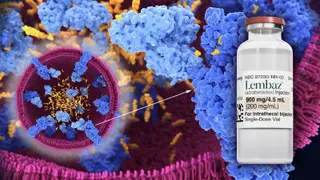
The FDA approved adrabetadex (Lembaz) for infantile-onset Niemann-Pick disease type C, a rare and fatal genetic disorder. In clinical data, treated patients lived a median of 8.5 years compared to 4.9 years in controls, representing a 55% reduction in death risk. The therapy targets cholesterol buildup in brain cells and is indicated for patients aged 6 and under with neurological symptoms. Early treatment is emphasized to preserve function and extend life.
On November 18, 2026, the U.S. Food and Drug Administration (FDA) approved adrabetadex (Lembaz), an intrathecal injection, for children and adults under age 6 with infantile-onset Niemann-Pick disease type C (NPC), a rare and fatal genetic disorder. The approval was based on clinical data from 36 patients across three studies and an expanded access program, showing a median survival of 8.5 years in treated individuals compared to 4.9 years in matched external controls—a 55% reduction in death risk. The therapy targets the accumulation of cholesterol and lipids in brain cells, a core mechanism of NPC’s progressive neurodegeneration. It is indicated for patients weighing at least 15 pounds with neurological symptoms beginning before age 6, emphasizing the importance of early intervention. The drug is administered every two weeks by a trained healthcare provider via intrathecal injection. While two other therapies—arimoclomol (Miplyffa) and levacetylleucine (Aqneursa)—are approved for NPC, neither has demonstrated a survival benefit, and both have restrictions that limit pediatric access. The most common side effects include hearing impairment, ataxia, fatigue, and gastrointestinal issues, prompting a boxed warning for permanent hearing loss and requiring regular audiologic monitoring. Study investigator Elizabeth Berry-Kravis, MD, PhD, of Rush University Medical Center, highlighted the life-extending and quality-of-life benefits of early treatment. The broader context includes NPC’s prevalence of about one in 150,000 people, with roughly 475 affected children in the U.S., most with infantile-onset disease. The long-term impact of adrabetadex on cognitive and motor function beyond survival remains unclear. What is not yet known includes the drug’s long-term safety profile beyond the initial trial period, its cost and accessibility, and whether it can be effective when initiated after age 6.
The approval of adrabetadex marks a significant milestone in treating a disease previously without a therapy proven to extend life. For families of children with infantile-onset NPC, this could mean more time with their children and a shift from purely palliative care to a potentially disease-modifying approach. The drug’s boxed warning for hearing loss may complicate treatment access, especially in underserved areas lacking specialized audiologic monitoring. This could create disparities in care, particularly for low-income or rural families. The broader impact may ripple through rare disease research, demonstrating that therapies targeting underlying metabolic defects—rather than just symptoms—can alter disease trajectories. A comparable precedent is the approval of nusinersen (Spinraza) for spinal muscular atrophy, which similarly transformed a fatal pediatric condition into a manageable chronic disease. However, unlike that case, adrabetadex’s high treatment burden—every two weeks, intrathecal injections—may limit real-world adherence. The market for rare disease therapies may see renewed interest, particularly in CNS-targeted gene and enzyme replacement approaches. What to watch for includes long-term follow-up data on functional outcomes, real-world effectiveness in diverse populations, and whether payers will cover the therapy despite its cost and complexity. The success of adrabetadex could influence future regulatory pathways for ultra-rare diseases, especially those with strong biomarker data and survival endpoints.