Progressive groups urge House Democrats to vote on Cuba war powers resolution
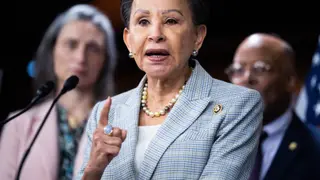
Fifty progressive advocacy organizations are pressuring House Democratic leaders to force a vote on a war powers resolution aimed at ending U.S. military hostilities in Cuba. The resolution, introduced by Rep. Nydia M. Velázquez and Rep. Gregory W. Meeks, seeks to require congressional authorization for any military action. Advocates argue that delaying the vote undermines democratic accountability and contradicts voter preferences for peace and diplomacy.
In November 2026, fifty progressive advocacy organizations urged House Democratic leaders to force a vote on a war powers resolution targeting U.S. military hostilities toward Cuba, despite the chamber’s leadership having delayed action. The resolution, introduced in May by Rep. Nydia M. Velázquez (D-N.Y.) and Rep. Gregory W. Meeks (D-N.Y.), calls for the removal of U.S. armed forces from any hostilities involving Cuba unless authorized by a formal declaration of war or specific congressional authorization. The groups argue that delaying the vote undermines democratic accountability and contradicts public sentiment, particularly after midterm elections that saw voters reject a foreign policy of military intervention. The urgency is heightened by President Donald Trump’s recent statements, including a public remark to conservative radio host Hugh Hewitt that he “would certainly consider” military action against Cuba, echoing earlier threats and a sustained U.S. blockade of oil shipments since January 2026 that has worsened fuel shortages and blackouts on the island. The Senate previously attempted to force a similar vote in April, but Republicans blocked it by arguing the resolution lacked privileged status under the War Powers Resolution due to the absence of active combat. While the House measure is a nonbinding concurrent resolution, advocates maintain it carries symbolic and political weight, especially in signaling congressional intent. The Democratic leadership, including Hakeem Jeffries and Jim McGovern, has not confirmed whether a vote will be forced before the end of the year, with internal hesitation reportedly stemming from concerns over Florida-based Democrats’ political vulnerability. The outcome remains uncertain, and no timeline for a future vote has been announced.
The push for a war powers vote on Cuba could signal a growing rift within the Democratic Party between its progressive wing and leadership, particularly on foreign policy. If Democrats proceed with a vote, it may strengthen their image as advocates for diplomacy and restraint, potentially influencing public perception ahead of future elections. However, the symbolic nature of the resolution means its immediate impact on policy is limited, though it could affect the political calculus of lawmakers representing constituencies with strong ties to Cuba or sensitive to foreign intervention. The broader implications include a potential shift in how Congress asserts its constitutional authority over military action, especially in cases where executive power is perceived to be overreaching. A comparable precedent is the 2013 congressional debate over military action in Syria, where a vote—though not binding—helped shape public discourse and executive restraint. What may follow is increased scrutiny of presidential war powers, particularly if future administrations pursue similar escalatory rhetoric. Watch for whether the House leadership, under pressure from progressive factions, will prioritize this issue in the next Congress, and whether Senate Democrats attempt another vote, possibly with revised language to avoid procedural hurdles.