Trump Administration Reverses Biden’s Silica Safety Rule for Coal Miners
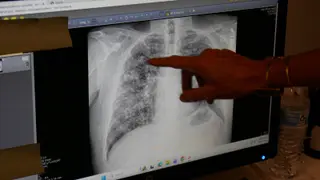
The Trump administration has proposed rolling back the 2024 Biden-era standard that limited respirable crystalline silica exposure in coal mines to 50 micrograms per cubic meter. The move, opposed by miners’ advocates including the National Black Lung Association, would weaken protections for workers in Central Appalachia, where black lung disease rates have surged. Critics argue the change prioritizes coal company profits over worker health, reversing years of advocacy for safer mining conditions.
In November 2026, the Trump administration’s Mine Safety and Health Administration (MSHA) proposed rolling back key enforcement mechanisms of the 2024 Biden-era silica safety rule, which had set a permissible exposure limit of 50 micrograms of respirable crystalline silica per cubic meter of air in coal mines. While the numerical limit remains, the proposal introduces a 21 percent margin of error in testing, effectively allowing exposure up to 60.5 micrograms before penalties apply. The original rule required biannual air sampling in underground mines, but the new proposal replaces this with a flexible, condition-based monitoring system, allowing mines to delay testing until operators deem it necessary. This shift could significantly extend the time between assessments, potentially leaving miners exposed for longer periods without detection. The rule was initially finalized in 2024 and was set to take effect in April 2025, following years of advocacy by groups like the National Black Lung Association and the Appalachian Citizens’ Law Center. The move comes after a federal appeals court placed the 2024 rule on hold pending legal review, which mining industry groups had challenged. The current proposal is open for public comment until January 11, 2027.
The background to this reversal lies in a decades-long struggle to protect miners from black lung disease, a progressive and fatal respiratory condition caused by inhaling coal and silica dust. Rates of black lung, once at a historic low in the 2000s, have surged to a 50-year high, with over one-third of Central Appalachian miners testing positive in recent NIOSH screenings. The disease now affects younger workers, including those in their 20s and 30s, marking a troubling reversal. Advocates like John and Vonda Robinson, who are active in the National Black Lung Association, see the proposed changes as a betrayal of progress. Critics argue the revisions weaken enforcement, giving coal companies greater discretion and undermining the rule’s intent. What remains unresolved is whether the final rule will retain the 50 microgram limit while eroding its effectiveness through loopholes, and how public comment and legal challenges may shape the outcome.
The proposed rollback could exacerbate an already severe public health crisis in Central Appalachia, where black lung rates are rising among younger miners and communities dependent on coal mining. If implemented, the rule may reduce the frequency and reliability of exposure monitoring, increasing the risk of undetected silica overexposure and further entrenching occupational illness. This could strain healthcare systems, particularly in rural areas like West Virginia, where clinics such as the Breathing Center at New River Health already face high demand. The shift may also impact worker trust and union engagement, potentially weakening labor organizing efforts in an industry already facing economic decline. A comparable precedent is the 1970s-era push for the Federal Coal Mine Health and Safety Act, which led to a dramatic drop in black lung cases—only for rates to rebound as enforcement waned. The current situation may signal a similar pattern: regulatory progress followed by political reversal. What to watch for next is whether public comment, legal challenges, or advocacy from health and labor groups can force a more protective outcome, and how the broader climate policy landscape may influence coal industry regulation in the coming years.