XTEINK Unveils Two Pocket-Sized E-Readers for Compact, Convenient Reading
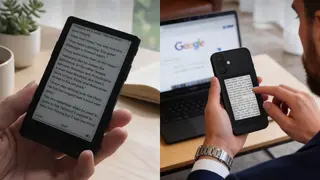
XTEINK has introduced two compact E Ink e-readers designed for on-the-go reading, with the X4 Classic offering a larger 4.3-inch display and the X3 prioritizing minimal size and weight. Both models feature physical page-turn buttons, expandable storage via microSD, and long battery life, with the X4 Classic priced at $54.87 on Amazon during Black Friday. They are ideal for quick reading sessions without the bulk of larger devices.
XTEINK unveiled two new pocket-sized E Ink e-readers, the X4 Classic and X3, during the 2026 Black Friday shopping event, offering consumers compact alternatives to traditional e-readers. The X4 Classic features a 4.3-inch display, weighs 68 grams, and measures 4.9mm thick, with a 16GB microSD card expandable to 256GB and a 920mAh battery promising up to 10 days of casual reading. Priced at $54.87 on Amazon, it targets users seeking more screen space without sacrificing portability. The X3, at 3.7 inches, weighs just 58 grams and is 5.1mm thick, with a 650mAh battery and the same storage expansion, priced at $55.72—slightly more than the X4 despite its smaller size. Both models rely on physical page-turn buttons and gyroscope-based navigation, lack touchscreens and front lights, and support EPUB and TXT formats via microSD or app transfer. The X3 includes magnetic attachment rings for carrying on phone cases, a feature absent in the X4. These devices reflect a growing market trend toward minimalism and on-the-go functionality in personal technology, particularly in lifestyle and travel contexts where space and weight matter. XTEINK, a brand focused on accessible, efficient reading tools, appears to be capitalizing on consumer demand for lightweight, affordable e-readers that complement rather than replace smartphones. The pricing strategy—offering a larger screen at a lower price—suggests a deliberate effort to position the X4 as the value leader while differentiating the X3 as a premium compact option. What remains unclear is how these models will perform in long-term durability tests or how XTEINK plans to expand software support beyond basic file transfer. No mention is made of future firmware updates or integration with third-party reading ecosystems.
These pocket-sized e-readers could influence how people consume digital content during travel and daily commutes, particularly among urban professionals and students who value minimalism. By prioritizing physical controls and low power consumption, XTEINK’s devices may appeal to users seeking to reduce screen time and avoid digital fatigue, aligning with broader wellness trends. The magnetic attachment feature on the X3 may inspire similar innovations in accessory design, potentially leading to a new category of modular, attachable reading devices. Comparable to the early success of the Amazon Kindle Paperwhite in popularizing e-readers for travel, these models could further normalize reading as a micro-activity during downtime—such as waiting in line or on public transit. However, their lack of built-in lighting and touchscreen functionality may limit adoption among users accustomed to modern smartphone-like interactions. The pricing difference—slightly higher for the smaller model—may also raise questions about market positioning, especially if consumer demand favors size over cost. What to watch for is whether XTEINK will expand app support or introduce ambient light sensors in future models, which could significantly broaden their appeal. The long-term impact may depend on how well they integrate into existing digital ecosystems rather than operating as standalone tools.