App Lock Feature Returning to Android with Biometric Protection for Apps
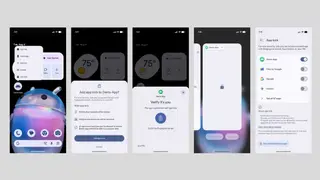
Google is bringing back the App Lock feature in Android 17 QPR3, allowing users to secure individual apps with biometric or PIN authentication. The feature prevents notifications, widgets, and content from appearing in the recents screen. It will likely debut on the Samsung Galaxy S27 in January before reaching Google Pixel phones in early 2027.
Google is reintroducing the App Lock feature in Android 17 QPR3, marking its return after being temporarily removed from the Android 17 QPR2 beta. The feature, which allows users to secure individual apps with biometric or PIN authentication, will prevent notifications, widgets, and app content from appearing in the recents screen. It is expected to debut first on the Samsung Galaxy S27 in January 2025, preceding its rollout to Google Pixel devices in early 2027. The reintroduction follows a brief absence in which the product team paused the feature to improve polish, testing, and system-wide integration. Originally introduced in QPR2, App Lock was designed in direct response to user demand for tighter security around sensitive apps like social media, email, and cloud storage. The feature’s return reflects Google’s effort to address privacy concerns amid growing public awareness of digital security. Samsung, whose One UI 9.5 beta is built on Android 17 QPR2, is already integrating the feature, suggesting early adoption across flagship devices. The delay in bringing App Lock to Pixels—despite their historical role as Android’s flagship devices—highlights a shift in rollout strategy, possibly prioritizing broader ecosystem testing before final deployment.
The reintroduction of App Lock could significantly influence how users manage digital privacy, particularly in shared or public environments where device access is not always controlled. By requiring biometric or PIN authentication to open specific apps, users gain greater control over sensitive data, potentially reducing the risk of unauthorized access to personal communications or financial information. This may encourage broader adoption of security-conscious behaviors, especially among less tech-savvy users who benefit from built-in protections. The feature’s early availability on Samsung devices, ahead of Pixels, may also signal a strategic shift in how Google and Samsung collaborate on security features, possibly reflecting Samsung’s growing influence in shaping Android’s user experience. A comparable precedent is the introduction of app-specific biometric locks in iOS, which gradually became standard across Apple’s ecosystem and influenced third-party app developers to adopt similar standards. What remains uncertain is whether App Lock will be available across all Android devices or remain limited to high-end models. The long delay before Pixel rollout may also raise questions about Google’s commitment to timely feature delivery on its own hardware, potentially affecting user trust.