Heat Coach Erik Spoelstra Bans His Children from GTA 6 but Allows Players to Play
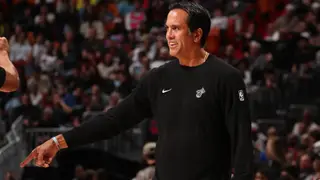
Miami Heat head coach Erik Spoelstra prohibited his three children from playing Grand Theft Auto VI, joking that they wouldn’t be allowed to participate. However, he encouraged his players to enjoy the game on their day off, especially given the rainy forecast that canceled outdoor activities. The Heat are currently on a six-game winning streak heading into their matchup against the Oklahoma City Thunder.
Miami Heat head coach Erik Spoelstra made headlines on November 19, 2026, by publicly stating he would not allow his three children—whose ages range from approximately 8 to 11, based on a 2018 birth year—to play Grand Theft Auto VI, the long-awaited sequel released on Thursday, November 18. In contrast, he encouraged his professional players to enjoy the game during their scheduled day off, citing a rainy forecast that had canceled planned outdoor activities like golf or beach time. Spoelstra, known for his disciplined approach to team management, emphasized that while he personally might try gaming for the first time, he had no intention of joining his players in their virtual escapades. The Heat were riding a six-game winning streak heading into their Sunday, November 21, 6 p.m. ET matchup against the Oklahoma City Thunder, led by Shai Gilgeous-Alexander. The coach’s comments reflect a nuanced stance on player downtime: he values rest and mental recovery but is open to modern forms of recreation, especially when traditional options are unavailable. His children’s exclusion from the game underscores a parental boundary, while his players’ allowance highlights a pragmatic, player-centered philosophy that acknowledges the role of personal interests in maintaining morale and focus.
Spoelstra’s public stance may reflect a broader cultural tension between parental control over children’s media consumption and the growing normalization of gaming as a legitimate leisure activity among adults. While he draws a clear line between his personal family rules and team policy, the contrast could influence public perception of how athletes manage off-court time. The incident may also amplify discussions about the role of entertainment in athlete recovery, particularly in high-pressure environments like the NBA. Comparable to past moments when coaches like Phil Jackson or Gregg Popovich addressed personal habits or media use, Spoelstra’s comment stands out for its specificity and humor. It could signal a shift in how coaches frame downtime—not as idle time, but as intentional recreation that supports performance. What remains unresolved is whether such public endorsements of gaming by coaches might influence league-wide policies or spark debate over screen time limits for young athletes. The long-term impact on how teams balance discipline with personal freedom may depend on whether players’ performance remains consistent despite increased gaming time.