Trump Nominee for GAO Chief Faces Democratic Pushback Over Alleged Partisanship
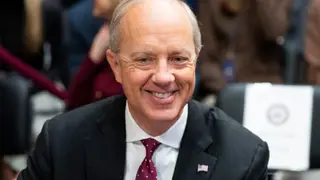
Eric Ueland, President Donald Trump’s nominee to lead the Government Accountability Office, faced sharp criticism from Democrats during a Senate confirmation hearing on November 19, 2026, over concerns about his political bias. Democrats accused him of being a 'rubber stamp' for the administration and claimed the process lacked due diligence, particularly after Senate Homeland Security Chairman Rand Paul limited questioning time. Ueland denied partisanship, pledging independence if confirmed.
On November 19, 2026, Eric Ueland, President Donald Trump’s nominee to lead the Government Accountability Office (GAO), faced intense scrutiny during a Senate confirmation hearing before the Homeland Security and Governmental Affairs Committee. Democrats, led by Senator Gary Peters of Michigan, accused Ueland of being politically biased due to his long tenure as a Republican Senate aide and his role as deputy director for management at the Office of Management and Budget (OMB) under Russ Vought during both Trump administrations. They argued that his past support for presidential impoundment authority—refusing to spend funds appropriated by Congress—undermined his suitability for a nonpartisan watchdog role. The GAO has issued 12 reports alleging that the administration violated the law through impoundment, a point Peters emphasized during questioning. Ueland declined to comment on the specific reports, citing lack of review, and stated he would not prejudge GAO’s past work, though he pledged to uphold the agency’s independence if confirmed. The hearing was marked by procedural disputes, with Democrats claiming Chairman Rand Paul of Kentucky limited questioning time and denied Peters an opening statement, calling the process a “box-checking exercise” that bypassed due diligence. Republicans, including Senator James Lankford, maintained that the legal requirement for a special legislative commission to recommend a nominee had been met, though Lankford acknowledged the process may not have fully reflected the law’s spirit. Ueland’s nomination remains pending, with no clear timeline for a full Senate vote.
The confirmation battle over Ueland underscores a broader tension between executive power and congressional oversight, particularly in the context of fiscal accountability. If confirmed, Ueland could influence how the GAO investigates federal spending, especially in areas where the administration has clashed with Congress over funding. His past alignment with executive branch views on impoundment may lead to skepticism among lawmakers and watchdog groups about the GAO’s independence, potentially weakening public trust in its audits. This situation echoes the 2017 controversy over the nomination of Gene Dodaro to lead the GAO, when concerns about political influence also arose, though that nominee ultimately served a full term. The current dispute may embolden future congressional efforts to strengthen the GAO’s autonomy through legislative reforms. What remains uncertain is whether the Senate will allow a full, transparent debate or if procedural constraints will continue to limit scrutiny. The outcome could shape the balance of power between the executive and legislative branches in fiscal matters for years to come.