Kim Deal Unveils Opulent Live Album from London’s Barbican Concert
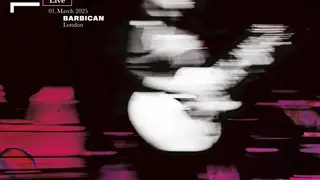
Kim Deal has released 'Live at the Barbican,' a concert album capturing her performance at London’s Barbican venue, two years after her solo debut 'Nobody Loves You More.' The show features a 13-piece orchestra, choir, and guest appearances by Raymond McGinley of Teenage Fanclub, reinterpreting her earlier work with lush orchestral arrangements. The album highlights her distinctive personality and musical depth, blending her solo material with select Breeders tracks in a rich, immersive live setting.
Kim Deal released her live album *Live at the Barbican* in 2026, capturing a performance at London’s prestigious Barbican Centre two years after her solo debut *Nobody Loves You More*. The concert, featuring a 13-piece orchestra, a choir (the Shards), and guest appearances by Raymond McGinley of Teenage Fanclub, reinterprets her solo work and select Breeders songs through lush orchestral arrangements. The album includes 18 tracks, with 10 drawn from her debut, and was recorded in a setting that emphasized grandeur and emotional depth. This release follows a long hiatus—38 years between her initial work with the Pixies and her first solo album—making the rapid follow-up a notable shift in her artistic trajectory. The decision to record a live album so soon after her debut reflects a desire to celebrate her solo identity while showcasing the expansive sonic possibilities of her songwriting, particularly through orchestral augmentation. Deal, long recognized as a singular voice in indie rock through her work with the Pixies, Breeders, and the Amps, now asserts her solo stature with a performance that blends intimacy with spectacle. The orchestral arrangements, while faithful to her debut’s textures, elevate the material with new emotional resonance, particularly in reimagined versions of songs like “Beautiful Moon” and “Walking With a Killer.” The Shards choir, though understated, contributes to the album’s ambient richness. What remains unresolved is whether this opulent format will define her future work or remain a one-off artistic statement. The absence of radical reinvention suggests she may be consolidating her identity rather than pushing boundaries, leaving open questions about her next creative direction.
The release of *Live at the Barbican* could signal a broader trend in how established indie artists reframe their legacy through high-production live recordings, especially as streaming platforms favor curated, immersive experiences. By investing in orchestral arrangements and a prestigious venue, Deal positions her solo career as both a personal milestone and a cultural event, potentially influencing how other veteran musicians approach live documentation. The album’s success may encourage labels like 4AD to promote similar projects, especially for artists with strong cult followings. Comparable to the way Radiohead’s *A Moon Shaped Pool* was accompanied by visual and spatial extensions, this release may inspire a new wave of “live as art” releases that blur the line between concert and album. However, the album’s restrained nature—lacking the revolutionary energy of past live classics like *Live at Leeds* or *Alive 2007*—suggests it may appeal more to existing fans than attract new audiences. Its impact may be more emotional than transformative, reinforcing loyalty rather than expanding reach. What to watch for is whether this model of orchestral reimagining becomes a template for other indie icons, or remains a unique, high-cost experiment.