Early Black Friday Deals: Beats Solo 4 Half Off, Bose Speaker $90 Off
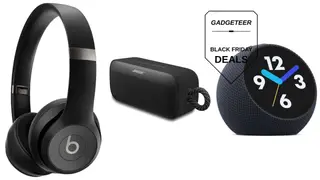
Five early Black Friday deals are already live, including the Beats Solo 4 at $99.95—half its original price—and the Bose SoundLink Plus reduced by $90. The RISION Magic Thermal Camera is also discounted by $90, offering 320x240 resolution for detecting home heat leaks. These deals are available immediately, with no need for coupons or promotions, making them ideal for quick holiday purchases.
On November 20, 2026, five early Black Friday deals became available across major retailers, with prices matching or nearly matching the discounts expected on the official Black Friday day. The most notable of these is the Beats Solo 4 headphones, now priced at $99.95—half of their original $199.95—available exclusively through Amazon. Similarly, the Bose SoundLink Plus portable speaker is discounted by $90, now selling for $179, down from $269. The RISION Magic Thermal Camera, a device designed to detect home heat leaks, is also marked down by $90 to $109, offering 320x240 resolution and USB-C connectivity. The Brooks Adrenaline GTS 25 running shoes are reduced by $30.05 to $124.95, and the Amazon Echo Time smart clock is slashed by $50 to $149.99. These deals are live immediately, with no need for promo codes, signaling a shift toward early holiday sales. The timing reflects a broader trend in retail where major discounts are being released days ahead of Black Friday, likely in response to consumer demand for earlier access and competitive pressure among e-commerce platforms.
The background for this shift includes years of evolving consumer behavior, where shoppers increasingly expect deals before the holiday weekend, and retailers responding with aggressive early promotions to capture attention and sales. Amazon, as a dominant player, sets the pace by offering deep discounts early, forcing competitors to follow. The companies involved—Beats (owned by Apple), Bose (owned by Amazon), RISION, Brooks, and Amazon itself—each benefit from increased visibility, customer acquisition, and inventory clearance. For Amazon, the early deals reinforce its role as the go-to platform for holiday shopping, while Beats and Bose leverage the timing to boost brand visibility during a peak purchasing period. What remains unresolved is whether these early deals will lead to a longer holiday sales season or simply compress the traditional Black Friday window, potentially reducing the perceived value of the official day. The long-term impact on consumer expectations and retailer pricing strategies is still uncertain.
These early Black Friday deals may accelerate the normalization of pre-holiday sales, potentially reshaping consumer behavior around holiday shopping. By offering deep discounts days in advance, retailers could condition shoppers to expect deals earlier, reducing the urgency of Black Friday itself and possibly shifting spending patterns across the entire holiday season. This could benefit large platforms like Amazon, which can leverage scale and logistics to maintain early pricing, while smaller retailers may struggle to compete without similar resources. The trend mirrors the earlier shift toward "Cyber Monday" as a major shopping day, which initially emerged as a digital counterpart to Black Friday but eventually became a standalone event. If this pattern continues, the traditional Black Friday may lose its cultural significance, with retailers instead focusing on a prolonged promotional window. What to watch for next is whether this early discounting leads to inflationary pricing during the rest of the year, as brands may raise prices in anticipation of future sales, or if consumers begin to delay purchases even further, waiting for the next wave of deals.