Senator Bernie Moreno Discusses National Security Risks in Connected Vehicle Technology
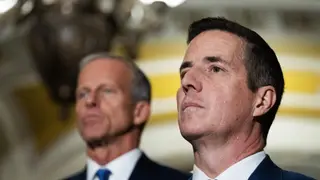
Senator Bernie Moreno addressed concerns about the national security implications of connected vehicle systems during a Hudson Institute event. He emphasized the need for robust cybersecurity standards in automotive manufacturing to protect critical infrastructure. The discussion highlighted how emerging technologies in vehicle connectivity could be exploited by foreign adversaries.
Senator Bernie Moreno spoke at a Hudson Institute event about the national security risks associated with connected vehicle technology, highlighting vulnerabilities in modern automotive systems. His remarks focused on the growing reliance on internet-connected features in vehicles, which could be exploited by foreign adversaries seeking to disrupt critical infrastructure. While no specific incidents, dates, or technical details were provided, Moreno emphasized the urgent need for stronger cybersecurity standards in the automotive manufacturing sector. The event underscored broader concerns about how emerging technologies, particularly those embedded in everyday transportation, may introduce new attack vectors for state and non-state actors.
The background to this discussion lies in the increasing integration of digital systems into vehicles, including telematics, remote diagnostics, and over-the-air software updates. As automakers adopt more connected features, the attack surface for cyber threats expands, raising alarms among defense and intelligence communities. Previous reports have documented vulnerabilities in vehicle networks, including the potential for remote hijacking, though no specific prior incidents were cited in the summary. The Hudson Institute, known for its focus on strategic policy and national security, provided a platform for this conversation, signaling growing institutional attention to the issue.
The primary actors are Senator Bernie Moreno, representing a political voice on national security policy, and the Hudson Institute, which facilitates high-level discourse on defense and technology. Moreno’s position reflects a broader push within U.S. policy circles to strengthen cybersecurity across critical sectors. What remains unresolved is the lack of concrete regulatory proposals or legislative action mentioned in the summary. It is not yet known whether Moreno will introduce specific legislation or if the discussion will lead to formal policy recommendations. The next steps could include further hearings, industry consultations, or the development of federal cybersecurity benchmarks for connected vehicles.
The discussion by Senator Bernie Moreno could influence how policymakers and automakers approach cybersecurity in the transportation sector. As connected vehicles become more prevalent, vulnerabilities in their systems may affect public safety, national infrastructure, and data privacy. If left unaddressed, these risks could undermine trust in emerging mobility technologies, potentially slowing adoption of electric and autonomous vehicles. The automotive industry may face increased regulatory scrutiny, which could impact innovation timelines and costs. A comparable precedent is the 2015 cybersecurity breach of Jeep Cherokee vehicles, which demonstrated how remote hacking could compromise vehicle functions. That incident prompted the National Highway Traffic Safety Administration to issue guidance on vehicle cybersecurity, though enforcement remains limited. The current conversation may signal a shift toward more formalized standards. What to watch for next is whether the Hudson Institute’s forum leads to bipartisan legislative proposals or industry-wide security frameworks. The outcome could shape how the U.S. balances technological advancement with national security in the digital age.