Meta to Reassess Net-Zero Goals Amid Record Carbon Emissions
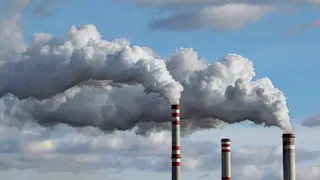
Meta announced it will reevaluate its net-zero timeline due to a 45 percent increase in its carbon footprint, driven by rising AI infrastructure demand. The company cited growing energy consumption from AI data centers as the primary factor behind the emissions spike. The review will determine whether current climate targets remain achievable.
Meta has announced it will reassess its net-zero emissions timeline following a 45 percent increase in its carbon footprint, a significant shift attributed to the rising energy demands of its artificial intelligence infrastructure. The company cited the expansion of AI data centers as the primary driver behind the emissions spike, highlighting the growing environmental cost of scaling AI technologies. This development marks a pivotal moment for one of the world’s largest tech firms, which previously committed to achieving net-zero emissions across its operations and value chain. The internal review will determine whether those climate targets remain feasible under current technological and operational conditions.
The decision comes amid increasing scrutiny of the environmental impact of AI, particularly as large language models and generative AI systems require vast computational power and energy. Meta’s earlier commitments to sustainability were part of broader industry efforts to balance innovation with ecological responsibility. However, the rapid deployment of AI systems—especially in data centers—has outpaced the development of clean energy solutions needed to offset their carbon output. The company’s reassessment reflects a growing tension between technological advancement and climate goals, particularly within the tech sector.
The people and organizations involved include Meta’s leadership, which must now reconcile aggressive AI development with environmental commitments. Investors, environmental advocates, and regulatory bodies may also scrutinize the company’s evolving stance. What remains unresolved is whether Meta will revise its net-zero target, delay it, or maintain it with new strategies. The outcome could influence other tech firms’ climate policies, especially as AI adoption accelerates globally.
Meta’s decision to reassess its net-zero goals underscores a broader challenge: the environmental cost of AI innovation. As AI systems grow more complex, their energy demands are pushing data centers toward higher carbon outputs, potentially undermining climate commitments made by tech giants. This situation could affect consumers, who may indirectly bear the cost of greener infrastructure through higher service prices or reduced investment in sustainability. Industries reliant on AI—such as healthcare, finance, and transportation—may also face delays in adopting sustainable AI solutions if energy constraints persist. A comparable precedent is the 2010s debate over the carbon footprint of cryptocurrency mining, where rapid technological adoption outpaced environmental safeguards. Like that case, Meta’s situation may prompt calls for stricter energy reporting, regulatory oversight, or incentives for renewable-powered computing. What to watch for is whether Meta’s review leads to public disclosure of energy use metrics, or if other companies follow suit. The outcome could shape future industry standards for sustainable AI development.