Senate Advances Bill to Prohibit Prediction Markets on Death and Conflict
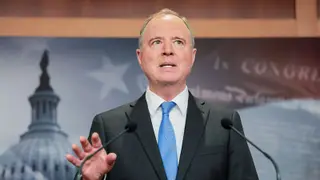
The U.S. Senate has passed the 'Death Bets Act,' which would ban prediction market contracts related to death, terrorism, assassination, and war. The legislation now moves to the House for further consideration. The bill aims to prevent financial incentives around tragic or violent events.
The U.S. Senate has advanced legislation known as the 'Death Bets Act,' a bill designed to prohibit financial contracts tied to prediction markets that speculate on death, terrorism, assassination, and war. The measure, which has now passed the Senate, will move to the House of Representatives for further review and potential action. While specific details on voting margins, exact language of the bill, or the precise timeline for House consideration are not provided, the legislation reflects growing concern over the ethics and societal implications of betting on violent or tragic events. The core aim of the bill is to eliminate financial incentives that could arise from predicting or profiting from human suffering, particularly in high-stakes scenarios involving loss of life or international conflict.
The background for this legislative move likely stems from increasing scrutiny of speculative markets, particularly those that allow wagering on future events. While prediction markets have been used in other contexts—such as forecasting election outcomes or economic indicators—this bill targets a sensitive subset involving death and violence. The push for such a ban may be influenced by prior public backlash against similar speculative activities, though no specific prior incidents or earlier laws are mentioned in the provided material. The people and organizations involved include members of the Senate who support the bill, likely motivated by ethical concerns, and potentially financial regulators or advocacy groups focused on moral boundaries in financial markets. The bill’s opponents, if any, are not specified, nor are the potential impacts on existing market mechanisms.
What remains unresolved is the House’s stance on the bill and whether it will pass, be amended, or be tabled. The outcome of the House’s review, including any changes to the legislation, is not yet known. Additionally, the bill’s enforcement mechanisms, potential exemptions, and long-term regulatory implications are not detailed in the summary.
The 'Death Bets Act' could significantly reshape the boundaries of financial speculation by drawing a moral and legal line around markets tied to human tragedy. If enacted, it may deter the development of niche prediction platforms that monetize grim forecasts, potentially reducing the normalization of violence as a tradable risk. However, the broader impact on financial innovation remains uncertain—especially in sectors where predictive analytics are used for risk assessment in insurance, defense, or disaster preparedness. The bill may also prompt a reevaluation of how financial markets handle sensitive data, though no direct precedent is cited in the material. A comparable case is the 2012 ban on betting on the death of public figures in the UK, which similarly sought to prevent the commodification of mortality. What to watch for next is whether the House will uphold, modify, or reject the Senate’s action, and how financial institutions or tech platforms might adapt if such a ban becomes law.