Clemson Faces Duke in Key College Football Matchup with Injuries Impacting Lineup
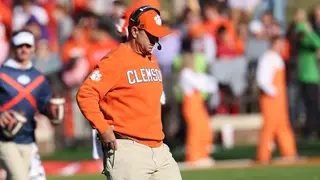
Clemson is set to play Duke in a crucial college football game on November 20, 2026, with head coach Dabo Swinney leading the Tigers at Memorial Stadium. Injured quarterback Vizzina is sidelined due to a concussion, prompting Trent Pearman to start in his place. The team’s offense has struggled recently, even with Tait Reynolds playing, and fans are calling for the return of Cole 3 and Stoudt to bolster the lineup.
On November 20, 2026, the Clemson Tigers will host the Duke Blue Devils in a pivotal college football matchup at Memorial Stadium in Clemson, South Carolina. Head coach Dabo Swinney leads the Tigers, who are facing a significant challenge due to the absence of starting quarterback Vizzina, sidelined by a concussion. In his place, backup Trent Pearman will start, marking a shift in offensive leadership during a season where the team’s offense has underperformed even with the presence of running back Tait Reynolds. The situation has sparked fan demand for the return of former players Cole 3 and Stoudt, though no official roster changes have been confirmed. The game is being closely watched as a potential turning point in the ACC standings, with Clemson’s playoff hopes potentially hinging on the outcome. The injury to Vizzina, a key figure in the offense, raises concerns about depth and long-term planning, especially with the postseason approaching. The team’s recent struggles, despite Reynolds’ efforts, suggest deeper issues beyond individual absences. What remains unclear is whether Pearman can stabilize the offense or if the coaching staff will consider further lineup adjustments before the season’s final stretch.
The outcome of this game could influence not only Clemson’s postseason eligibility but also the broader narrative around player health and roster management in college football. With increasing scrutiny on concussion protocols and long-term athlete well-being, Vizzina’s absence underscores the tension between competitive performance and player safety. The fan-driven calls for the return of Cole 3 and Stoudt reflect a growing demand for experienced players in high-pressure situations, a trend seen in past seasons when teams faced injury crises. This situation may prompt a broader conversation about the sustainability of current depth strategies in Power Five programs. If Clemson struggles against Duke, it could affect recruiting momentum and fan engagement, especially in a competitive conference like the ACC. Comparable cases, such as Alabama’s 2015 season when injuries derailed a title run, show how single absences can ripple through a season. What may unfold next is a potential shift in how programs balance short-term performance with long-term athlete development, particularly as NIL (name, image, likeness) deals make player retention more complex.