Top Cruise Lines for Family Travel in 2027 and Beyond
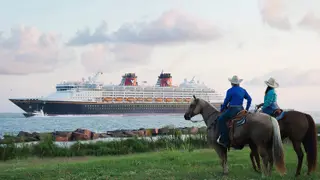
Royal Caribbean, Disney Cruise Line, and Norwegian Cruise Line are highlighted as top choices for families due to their extensive kids' clubs, age-specific activities, and family-friendly amenities. These cruise lines offer diverse experiences from thrill rides and water parks to flexible dining and accommodations. Some lines also provide promotions like kids-sail-free on select sailings, though taxes and fees still apply.
In 2027 and beyond, Royal Caribbean, Disney Cruise Line, and Norwegian Cruise Line are emerging as top choices for family travelers seeking comprehensive, age-appropriate experiences at sea. These cruise lines stand out due to their extensive kids’ clubs, age-specific programming, and family-friendly amenities such as water parks, thrill rides, and flexible dining options. Disney Cruise Line continues to leverage its iconic characters and storytelling, offering themed entertainment and character meet-and-greets, while Royal Caribbean emphasizes high-energy attractions like zip lines and rock climbing walls. Norwegian Cruise Line appeals to families seeking flexibility with its freestyle dining and casual onboard atmosphere. All three lines also offer select sailings with promotions allowing children to sail free, though taxes and fees remain applicable. These offerings reflect a broader industry shift toward family-centric design, with newer ships often commanding higher prices due to advanced features and expanded capacity. However, eligibility for kids’ clubs and childcare services varies by line and age, requiring families to verify requirements in advance. The availability of such promotions is limited to specific sailings, and pricing remains highly variable based on ship size, destination, and cabin type.
The growing prominence of family-focused cruise lines could reshape how families plan vacations, prioritizing convenience, entertainment, and inclusivity over traditional beach or city breaks. As cruise companies invest in immersive experiences tailored to children and parents alike, they may influence broader travel trends, encouraging other sectors—like resorts and theme parks—to enhance family programming. This shift may also impact regional tourism economies, especially in U.S. home ports like Miami, Port Canaveral, and New York, where cruise traffic is expected to rise. Comparable to the 1990s boom in family-oriented theme parks, today’s cruise industry may be entering a similar phase of market consolidation around family value propositions. However, the long-term sustainability of “kids-sail-free” promotions remains uncertain, especially amid fluctuating fuel costs and labor constraints. What’s next could include more personalized digital experiences, expanded multi-generational packages, or even partnerships with educational institutions to offer curriculum-aligned activities. The full societal impact may depend on whether these offerings become accessible beyond affluent travelers, a question still unresolved.