Pacific Nations Bear Brunt of Climate Crisis Fuelled by Global Wealth Disparity
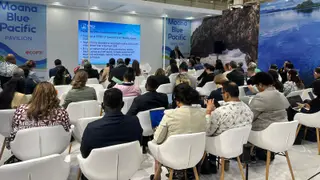
A new Oxfam report highlights how Pacific island nations face disproportionate impacts from climate change despite contributing minimally to global emissions. The study underscores the region's heightened vulnerability due to systemic inequality and the historical emissions of the world's wealthiest nations. It calls for greater climate justice and financial support to address escalating risks like sea-level rise and extreme weather.
Pacific island nations are experiencing intensified climate impacts despite contributing very little to global greenhouse gas emissions, according to a new Oxfam report. These nations—though geographically dispersed across the Pacific Ocean—are facing escalating threats such as sea-level rise, more frequent and severe storms, and disruptions to food and water security. The report emphasizes that the region’s vulnerability is not due to local environmental mismanagement but is rooted in systemic global inequality and the historical emissions of the world’s wealthiest nations. While specific countries, emissions figures, or timelines are not detailed in the summary, the report underscores a stark contrast between the region’s minimal contribution to climate change and the disproportionate burden it bears.
The background lies in long-standing patterns of global economic and environmental injustice. Wealthier nations, particularly those in North America, Europe, and parts of East Asia, have historically emitted the majority of carbon dioxide, driving climate change over decades. This legacy has left small island states—many of which are already low-lying and ecologically fragile—on the front lines of climate disruption. The report calls for climate justice, highlighting that financial and technical support from high-emission nations is not merely ethical but necessary to help vulnerable communities adapt. Oxfam, as the lead organization, is advocating for increased funding and policy shifts to address these inequities.
What remains unresolved is the extent of future funding commitments, the mechanisms for equitable distribution, and whether global climate negotiations will translate advocacy into binding action. The next steps may involve international summits or policy reforms, but the outcome is uncertain. The report does not specify which nations are most affected or what exact financial targets are being proposed.
The findings could amplify pressure on high-emission nations to fulfill or exceed existing climate finance pledges, particularly those made under the Paris Agreement. Pacific island nations, often marginalized in global forums, may gain stronger moral and political leverage in climate diplomacy. This could influence international development funding, insurance markets for vulnerable regions, and even migration policies as climate displacement becomes more prevalent. A comparable case is the 2015 Paris Agreement, where small states pushed for climate accountability, leading to formalized financial commitments—though implementation has lagged. The current report may serve as a renewed catalyst for accountability, especially as climate impacts become more visible. What to watch for next is whether financial pledges are scaled up and whether mechanisms for transparent, direct funding to affected communities are established. The outcome may shape global climate governance for years to come.