Inside the Diverse Radio Stations of GTA VI, Featuring Jeremy Irons and Bad Bunny
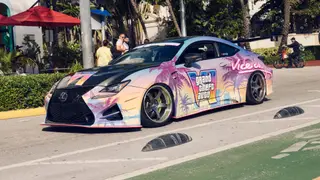
Grand Theft Auto VI introduces a variety of in-game radio stations hosted by notable artists and celebrities, including Jeremy Irons, Bad Bunny, PinkPantheress, and Morgan Wallen. Stations like AfroBank FM and Cocoteo FM represent global music genres, while others like Dirty South Classics spotlight Southern hip-hop legends. The game’s radio system blends music, humor, and character-driven content for immersive gameplay.
Grand Theft Auto VI, released on November 19, 2026, features an unprecedented roster of celebrity-hosted radio stations, marking a significant evolution in the franchise’s audio storytelling. Among the standout stations are AfroBank FM (hosted by Burna Boy and Palms Trax), Cocoteo FM (Bad Bunny and RaiNao), and Kaleidoscope FM, which features British actor Jeremy Irons as DJ Dicky—a role that has drawn widespread attention due to its unexpected casting. Other notable stations include Dirty South Classics (Trick Daddy and Trina), Radio La Ola (Gloria and Emilio Estefan), and Symphony FM (pianist Yuja Wang), each curated to reflect specific genres and cultural identities. The game’s radio system integrates music, scripted dialogue, and character-driven narratives, with stations like Vice City FM hosted by “Weird Al” Yankovic and Brigitte Nielsen, and the satirical WKTT featuring Stavros Halkias and Jason Sudeikis. These choices reflect Rockstar Games’ strategy to deepen immersion by leveraging real-world artists across genres, from reggaeton to classical, while also incorporating in-game puzzles—such as the secret station The Sniper of La Perla, accessible only through gameplay challenges.
This expansion builds on the franchise’s long-standing tradition of using radio to reflect urban culture and social commentary, a practice that began with GTA III’s eclectic mix of real and fictional stations. The inclusion of figures like Irons and Bad Bunny signals a deliberate effort to attract global audiences and elevate the game’s cultural cachet. Rockstar Games, known for its meticulous world-building, appears to be leveraging celebrity appeal to broaden its demographic reach beyond traditional gaming audiences. Artists like PinkPantheress and Morgan Wallen, who are also featured, likely benefit from increased visibility and cross-promotion. However, notable absences—such as Tinashe and Doja Cat, who are mentioned as having taken matters into their own hands—highlight the selective nature of these partnerships. What remains unresolved is whether Rockstar will open up future content updates to include more diverse voices or if this initial lineup represents a capped vision. The long-term impact on music discovery and artist branding within gaming ecosystems remains to be seen.
The integration of high-profile artists across genres in GTA VI’s radio stations could significantly influence how music is discovered and consumed, particularly among younger demographics who engage with entertainment through interactive media. By embedding real artists into narrative-driven, in-game experiences, Rockstar may be helping to revive interest in niche genres like Afrobeat, reggaeton, and jazz fusion, potentially boosting streaming numbers and album sales for featured artists. The station hosted by Jeremy Irons, in particular, may spark curiosity about cross-genre reinterpretations of pop classics, possibly inspiring similar projects in other media. This approach mirrors the success of earlier video game soundtracks, such as those in the Grand Theft Auto series, which have historically driven music trends—like the 2004 release of “The World Is Yours” by 50 Cent, which saw a surge in popularity after being featured in GTA: San Andreas. The broader impact may extend to how brands and media companies view video games as cultural platforms. With stations like WKTT parodying conservative talk radio and Vice City FM embracing 1980s nostalgia, Rockstar is not only entertaining but also shaping public discourse on identity, politics, and music history. This could encourage other entertainment companies to invest more in in-game content as a form of cultural engagement. However, the exclusivity of certain stations—like The Sniper of La Perla, accessible only through puzzles—may limit reach, raising questions about inclusivity and accessibility. What to watch for next is whether Rockstar will release downloadable content or live events tied to the radio stations, potentially turning them into ongoing cultural phenomena.