Huawei Launches OSTA O1 Pro with 200MP Camera, 7,000mAh Battery, and 16:9.5 Display
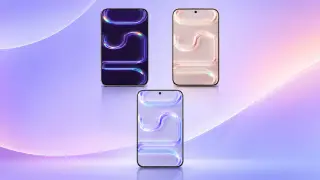
Huawei has launched the OSTA O1 Pro in China as the first device in its new OSTA sub-brand, featuring a 6.39-inch 16:9.5 aspect ratio display, a 200MP main camera, a 50MP periscope telephoto lens, and a 7,000mAh battery. The device runs on the Kirin 9030S chipset, offers up to 16GB RAM and 1TB storage, and ships with HarmonyOS 7 AI Pioneer Edition. It is available in three colors and starts at 5,499 yuan.
Huawei launched the OSTA O1 Pro in China on November 20, marking the debut of its new OSTA sub-brand. The device features a 6.39-inch flat LTPS display with a 16:9.5 aspect ratio, an ultra-slim 6.68mm thickness, and a 7,000mAh battery—unusual for such a thin profile. It is powered by the Kirin 9030S chipset, with configurations offering up to 16GB RAM and 1TB storage, starting at 5,499 yuan (approximately $775). The camera system includes a 200MP main sensor with a 1/1.28-inch RYYB sensor and a 50MP periscope telephoto lens with 3.7x optical zoom, omitting an ultra-wide lens in favor of high-resolution and telephoto performance. The phone ships with HarmonyOS 7 AI Pioneer Edition, Huawei’s first AI-focused operating system update, enabling system-level AI interactions and custom theme generation from a single image. The device is available in three colors—Starry Black, Nebula White, and Starburst Purple—with color availability tied to RAM configuration.
This launch follows Huawei’s broader strategy of repositioning its brand post-sanctions, emphasizing self-reliance in chip design and software ecosystems. The OSTA sub-brand appears to signal a shift toward premium, innovation-driven devices, distinct from mainstream Huawei models. Huawei aims to differentiate through hardware uniqueness—such as the 16:9.5 display and massive battery—and AI integration across hardware, software, and cloud services. However, the company has not confirmed international availability, leaving global market expansion uncertain. The absence of an ultra-wide camera and the focus on AI-driven software suggest a targeted approach to power users and tech enthusiasts rather than mass-market appeal.
The OSTA O1 Pro could influence consumer expectations around smartphone design, particularly in balancing battery life with slim form factors and pushing display aspect ratios beyond conventional norms. Its emphasis on AI integration through HarmonyOS 7 AI Pioneer Edition may accelerate demand for devices that offer intelligent, seamless interactions, potentially pressuring competitors to enhance their own AI capabilities. The 200MP main camera and periscope telephoto lens may set new benchmarks for imaging quality, especially in high-resolution photography and zoom performance, though the lack of an ultra-wide lens could limit appeal for content creators. This strategy echoes Apple’s early focus on ecosystem integration and hardware-software synergy, though Huawei’s approach is more aggressive in hardware innovation amid supply constraints. The device’s limited availability outside China may reflect ongoing geopolitical and logistical challenges, potentially affecting its impact on global markets. If Huawei expands the OSTA line internationally, it could challenge Samsung and Xiaomi in the premium segment. What to watch for: whether the AI features deliver tangible user benefits beyond novelty, and whether the sub-brand gains long-term credibility in a crowded market.