Richard Nelson's Latest Play, 'We'll See,' Explores Family Dynamics Amid 2026 Midterm Elections
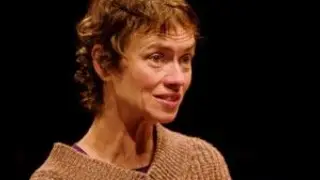
Richard Nelson's new play, 'We'll See,' set on the night of the 2026 midterm elections, follows the Apple family as they gather for dinner at Barbara's home in Rhinebeck, New York. Part of Nelson's acclaimed 12-play series, 'The Rhinebeck Panorama,' the production is currently running at The Public Theater through November 29, 2026. The play examines political anxiety and personal connections through intimate, real-time conversations.
Richard Nelson’s latest play, *We’ll See*, unfolds on the night of the 2026 U.S. midterm elections, centering on the Apple family as they gather for dinner at Barbara’s home in Rhinebeck, New York. The production is part of Nelson’s larger, acclaimed 12-play series, *The Rhinebeck Panorama*, which has established the playwright as a chronicler of American domestic life intertwined with national political currents. Currently running at The Public Theater, the play is scheduled to conclude its run on November 29, 2026. Through real-time, intimate dialogue, *We’ll See* explores the intersection of political anxiety and personal relationships, using the election night setting to heighten tension and reveal underlying family dynamics. The specific date and location—Rhinebeck, New York—anchor the narrative in a tangible, contemporary moment, suggesting a focus on regional political sentiment within a broader national context.
The play’s placement within Nelson’s long-form series indicates a sustained artistic commitment to examining American society through the lens of private life. The Public Theater, known for supporting innovative and politically resonant works, provides a platform that aligns with Nelson’s thematic concerns. The Apple family, while fictional, likely represents broader demographic and ideological divides present in American households during election cycles. What remains unresolved is how the play’s narrative resolves the tensions it introduces—whether the family reaches consensus, fractures, or simply endures the evening without resolution. The audience’s reception and critical response in late 2026 may influence future stagings or adaptations, though no such plans are mentioned in the available material.
*We’ll See* could deepen public engagement with the emotional and psychological dimensions of political participation, particularly during high-stakes elections. By dramatizing a family dinner during the 2026 midterms, the play may encourage audiences to reflect on how national politics infiltrate personal relationships, potentially fostering empathy across ideological lines. The Public Theater’s involvement suggests a cultural institution actively promoting civic discourse through art, which may influence other theaters to commission similar works. Comparable to Tony Kushner’s *Angels in America*, which used speculative drama to process national trauma, *We’ll See* may serve as a cultural barometer for how Americans process political uncertainty in intimate settings. If the play gains traction, it could inspire community theater groups to stage localized versions, amplifying its reach. What to watch for next is whether the production sparks broader conversations about political polarization in domestic spaces, or if it remains a niche artistic commentary without wider societal impact.