Systemic Gender-Based Violence in European Armed Forces Under Scrutiny
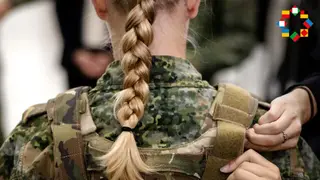
Reports of misogyny, harassment, and sexual abuse targeting female and LGBTQ+ military personnel are raising concerns across several European countries, with Germany’s Bundeswehr study highlighting widespread issues. The problem is not isolated, as multiple nations face similar challenges despite long-standing awareness. The issue is being examined through a European media collaboration funded by the EU, emphasizing the need for systemic reform within military institutions.
A 2026 study by Germany’s Bundeswehr has brought renewed attention to systemic gender-based violence within European armed forces, revealing widespread incidents of misogyny, harassment, and sexual abuse targeting female and LGBTQ+ military personnel. While the report details the extent of the problem within Germany’s military, it underscores that the issue is not isolated—multiple European nations face similar challenges despite long-standing awareness. The findings come amid a broader European media collaboration, BEAM, coordinated by ARTE and involving outlets such as El País, Gazeta Wyborcza, and Kathimerini, all funded by the EU through DG CNECT’s Multimedia Actions. This cross-border investigation aims to expose institutional patterns rather than individual cases, highlighting the need for systemic reform. The collaboration, available in 10 languages, reflects a coordinated effort to hold military institutions accountable using shared investigative resources.
The background to this scrutiny includes years of underreported incidents and limited institutional response, despite prior advocacy and earlier reports from watchdogs and human rights organizations. The fact that the problem persists across nations—despite NATO’s stated commitment to diversity and inclusion—suggests deep-rooted cultural and structural flaws within military hierarchies. The involved organizations, including ARTE and BIRN, seek to amplify marginalized voices and pressure governments to implement meaningful reforms, such as independent oversight, mandatory training, and transparent reporting mechanisms. What remains unresolved is whether these media-led revelations will translate into enforceable policy changes, particularly within national defense ministries. The next steps may include legislative proposals, internal investigations, or EU-level interventions, but it is not yet known whether political will will match the scale of the problem.
The exposure of systemic gender-based violence in European armed forces could significantly impact public trust in military institutions, particularly among younger recruits and potential enlistees from marginalized groups. If left unaddressed, such revelations may deter qualified individuals from joining, potentially weakening recruitment and cohesion. The broader societal effect may include increased scrutiny of other state institutions with hierarchical, male-dominated cultures, such as law enforcement or emergency services. Comparable to the 2013 U.S. military sexual assault scandal, which led to major reforms and public debate, this European case may catalyze similar momentum—though the outcome depends on sustained pressure and institutional accountability. The media collaboration model, funded by the EU, may serve as a template for future cross-border investigations into systemic issues. What to watch for next is whether national defense departments will adopt the findings into policy, or if the momentum will fade without binding action.