Detroit Tigers Face Rotation Instability Despite Recent Additions
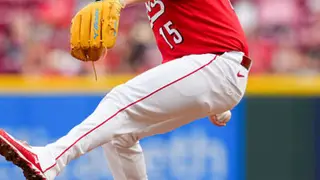
Despite signing Framber Valdez and bringing back Justin Verlander, the Detroit Tigers' starting rotation remains unstable due to injuries and inconsistent performances. Key pitchers like Valdez and Casey Mize underperformed, while Verlander appeared in just two games. Young arms Troy Melton and Keider Montero showed promise, but the team still lacks depth and reliability, making rotation upgrades a top offseason priority.
The Detroit Tigers’ starting rotation in 2026 failed to deliver consistent performance despite high-profile offseason moves, including signing Framber Valdez to a significant contract and reuniting with veteran Justin Verlander. Valdez, expected to anchor the rotation, underperformed and was limited by injury, appearing in only two games. Verlander, though a franchise legend, also missed substantial time due to injury, pitching just twice. Meanwhile, key contributors like Tarik Skubal and Casey Mize were traded at the deadline, further destabilizing the rotation. Despite these setbacks, young pitchers Troy Melton and Keider Montero showed promise, stepping into larger roles and demonstrating potential as future rotation staples. Jackson Jobe returned from injury with encouraging signs, though still showing signs of rust. The team’s current rotation options include Valdez, Melton, Jobe, Montero, River Ryan, Drew Anderson, Reese Olson, and Andrew Sears—highlighting a mix of veterans and unproven arms. The Tigers’ prior struggles with pitching depth, particularly after their seven-game series loss to the Seattle Mariners in the previous season, prompted the front office to prioritize starting pitching. The decision to sign Valdez and bring back Verlander was intended to stabilize a historically weak rotation, but the lack of reliable depth and the inconsistency of young arms have left the team short of its goal. What remains unresolved is whether the Tigers will pursue additional upgrades in the offseason, given the lack of proven depth beyond their top three candidates.
The instability in the Tigers’ rotation could have broader implications for how MLB teams approach roster construction, particularly in balancing high-risk, high-reward signings with long-term development. The failure of high-profile additions like Valdez to meet expectations may influence front offices to prioritize player health and track record more heavily in future contracts. This situation mirrors the 2018 Boston Red Sox, who overvalued veteran pitching in a bid to sustain competitiveness, only to face similar inconsistencies and costly trades. The Tigers’ reliance on young arms, while promising, could also affect fan engagement and team morale if sustained underperformance leads to prolonged losing seasons. Adjacent markets—such as fantasy baseball leagues, sports betting, and regional media—may react to the uncertainty by adjusting player rankings and betting lines. What to watch for next is whether the Tigers’ front office will pursue a trade or free-agent signing to bolster the rotation, or if they will double down on developing their current young pitchers. The outcome could shape the team’s competitiveness for years to come.