Charles Leclerc Blames Ferrari's Straight-Line Deficiency for Q3 Exit in Las Vegas
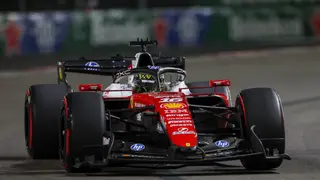
Charles Leclerc was disappointed with Ferrari's performance at the Las Vegas Grand Prix, stating the team lost one second down the straight. He attributed his failure to qualify for Q3 to a combination of aerodynamic and mechanical issues. The 'crazy' deficiency in top speed hindered his lap time despite strong efforts.
Charles Leclerc failed to advance to Q3 at the 2023 Las Vegas Grand Prix, citing a significant loss of one second in top speed down the straight. The Monaco-based driver expressed frustration with Ferrari’s performance, attributing the deficit to a combination of aerodynamic inefficiencies and mechanical shortcomings. Despite making strong efforts during qualifying, the lack of straight-line speed prevented him from posting a competitive lap time. The Las Vegas Grand Prix, held on a newly constructed street circuit, placed a premium on high-speed stability and engine efficiency—areas where Ferrari appeared to struggle. Leclerc’s exit from Q3 marks a setback for the team, which has been working to close the performance gap with leaders Red Bull and Mercedes. The incident highlights ongoing challenges in Ferrari’s car development, particularly in optimizing downforce and drag balance. The team’s technical leadership and engineering staff are now under pressure to diagnose and resolve the issue before the next race. What remains unclear is whether the problem is isolated to the Las Vegas track layout or indicative of a broader performance issue across circuits. The outcome may influence future aerodynamic and power unit strategies for the remainder of the season.
Leclerc’s Q3 exit could affect Ferrari’s standing in the Constructors’ Championship, potentially weakening their momentum in a tightly contested season. Fans and sponsors may question the team’s technical direction, especially as rival teams continue to show progress. The incident may also influence driver morale and team dynamics, particularly if performance issues persist. In the broader motorsport landscape, such setbacks often prompt shifts in engineering focus, with teams reevaluating aerodynamic packages and powertrain integration. A comparable case occurred in 2019 when Mercedes struggled with straight-line speed on high-speed circuits, leading to a mid-season technical overhaul. That adjustment ultimately helped them regain competitiveness. Similarly, Ferrari may need to adapt quickly to avoid falling further behind. What to watch for next is whether the team introduces updates at the upcoming race or delays changes, which could signal confidence in current development or a recognition of deeper systemic issues.