Andy Pages Not Yet in Contract Talks Despite All-Star Recognition, Dodgers Say
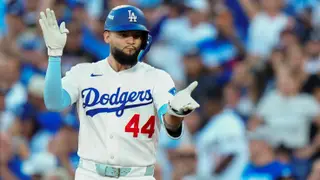
The Los Angeles Dodgers have not initiated contract extension discussions with center fielder Andy Pages, despite his first All-Star selection in 2026. Pages, who hit 23 home runs and drove in 85 runs with an .811 OPS, is projected to earn $4.9 million in his first arbitration year due to Super Two eligibility. The team may delay negotiations, given his upcoming arbitration rights and strong postseason contributions, including a game-saving catch in the 2025 World Series.
The Los Angeles Dodgers have not initiated contract extension talks with center fielder Andy Pages despite his first All-Star selection in 2026, according to The Athletic’s Fabian Ardaya. Pages, who hit 23 home runs and drove in 85 runs with an .811 OPS during the 2026 season, was tendered a contract ahead of the arbitration deadline, confirming his status as a Super Two-eligible player. This designation, which applies to the top 22% of players with at least two years of service time, grants him an extra year of arbitration eligibility—making him eligible for four arbitration years instead of the standard three. As a result, Pages is projected to earn $4.9 million in his first arbitration year, a figure that may reduce the urgency for the Dodgers to lock him up early. His standout moment came in Game 7 of the 2025 World Series, where he made a game-saving catch, and in 2026, he delivered a crucial two-run single in Game 4 of the NLCS against the Atlanta Braves. Despite missing time due to a fractured left hand in August, Pages returned quickly after a compression screw was inserted, demonstrating durability. The Dodgers’ decision to delay negotiations may reflect strategic patience, as they aim to manage payroll while leveraging Pages’ upcoming arbitration rights to potentially secure cost-effective value.
The Dodgers’ approach to Pages’ contract could signal a broader trend among elite franchises to delay extensions on young, high-impact players until arbitration eligibility is reached, maximizing cost control. This strategy mirrors the Yankees’ handling of Aaron Judge in his early years, where they deferred major deals until the player’s arbitration years, allowing them to assess performance under pressure. Pages’ Super Two status gives the Dodgers leverage, as they can potentially negotiate a lower long-term value before he becomes a free agent. However, this approach may strain player trust if perceived as undervaluing contributions, especially after high-stakes performances like the 2025 World Series catch. The broader impact lies in how such decisions affect player morale and market dynamics—other teams may adopt similar tactics, reducing early security for players. If Pages signs a long-term deal in the future, it could set a precedent for how arbitration-eligible stars are valued. What remains uncertain is whether the Dodgers will eventually offer a deal before free agency or wait until the final arbitration year, a move that could influence how future players view contract negotiations in the league.