Insulin Resistance in Early Adulthood Predicts Higher Heart Disease Risk in Middle Age
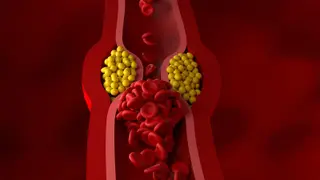
A long-term analysis of the CARDIA cohort found that insulin resistance in individuals aged 18 to 30 was linked to a 50% higher risk of atherosclerotic cardiovascular disease by middle age. The association was largely mediated by the development of metabolic syndrome by age 50, highlighting early metabolic dysfunction as a key predictor. The findings suggest that identifying insulin resistance early could help prevent long-term cardiovascular complications.
A long-term analysis of the Coronary Artery Risk Development in Young Adults (CARDIA) cohort, conducted by researchers led by Chuyue Wu, MD, PhD, at UCLA’s Fielding School of Public Health, found that insulin resistance in individuals aged 18 to 30 was associated with a 50% higher risk of atherosclerotic cardiovascular disease (ASCVD) by middle age. The study followed 3,622 participants—enrolled in 1985–1986 with a mean baseline age of 25, including 45% men and 47% Black individuals—who remained free of ASCVD through year 20 (when they were 38–50). At baseline, one in four participants exhibited insulin resistance, defined by a HOMA-IR score at or above the 75th percentile (≥2.67) after a 12-hour fast. By year 35, those with early insulin resistance had a risk ratio of 1.50 (95% CI 1.13–2.01) for ASCVD events. The association was largely mediated by metabolic syndrome, which developed by age 50 in many cases—accounting for 63.4% of the link between early insulin resistance and later ASCVD. The study underscores that metabolic syndrome at midlife may represent a critical intermediate stage in the progression of cardiometabolic disease. While the findings suggest early detection of insulin resistance could inform preventive strategies, the clinical utility of HOMA-IR remains uncertain, as fasting insulin is not routinely measured. The authors call for research into practical tools for identifying insulin resistance and testing whether delaying metabolic syndrome reduces long-term ASCVD risk.
This study could shift how clinicians view young adulthood—not as a period of low cardiovascular risk, but as a pivotal window for preventing long-term disease. By highlighting insulin resistance as an early warning sign, it may prompt earlier screening and lifestyle interventions, especially for high-risk groups like young Black adults, who are disproportionately affected by cardiometabolic disease. The findings may influence guidelines, potentially leading to expanded metabolic monitoring in young adults, even before traditional risk factors emerge. Insurance providers and healthcare systems may respond by investing in preventive programs targeting early metabolic dysfunction, though cost and access remain barriers. A comparable precedent is the shift in pediatric care following early evidence of childhood obesity’s long-term consequences—where early intervention became a public health priority. Here, the key next step is not a new test, but a change in clinical mindset: treating metabolic health in young adults as a continuum, not a series of isolated issues. Whether this leads to widespread screening or targeted interventions depends on future studies validating HOMA-IR’s predictive power and demonstrating that early action reduces ASCVD incidence.