FBI's 'Chapo Isidro' Captured in Mexico After Joint U.S.-Mexico Operation
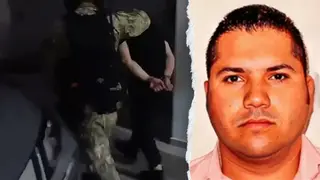
Fausto Isidro Meza-Flores, known as 'Chapo Isidro' and wanted by the FBI, was apprehended in Guasave, Mexico, during a military raid involving elite forces and U.S. intelligence coordination. The operation, which included gunfire and explosives, also led to the arrest of two cartel associates, including the group's second-in-command. Meza-Flores, accused of leading a major drug-trafficking organization in Sinaloa, was the subject of a $5 million reward offer by the U.S. State Department.
Fausto Isidro Meza-Flores, known as "Chapo Isidro," was apprehended in Guasave, Sinaloa, Mexico, on November 21, 2026, during a joint U.S.-Mexico military operation led by Mexico’s Secretariat of National Defense. The raid, conducted by elite special forces, involved stealth deployment, coordinated intelligence from both nations, and faced resistance including gunfire and explosives. Meza-Flores, a fugitive on the FBI’s Ten Most Wanted list since at least 2012, was accused of leading a transnational drug organization responsible for trafficking large quantities of fentanyl, cocaine, heroin, and methamphetamine into the United States over two decades. The U.S. State Department had offered a $5 million reward for information leading to his arrest. Alongside him, two associates were captured: the cartel’s second-in-command and a financial operator. The operation disrupted a major drug trafficking hub and temporarily halted a Mexican Pacific League baseball game in Guasave, with witnesses reporting gunfire and chaos in the city. The suspects were evacuated to Mexico City via military aircraft for prosecution.
Meza-Flores was originally indicted in 2012 in the U.S. District Court for the District of Columbia and later faced a federal superseding indictment in 2019 on charges including drug trafficking and firearm possession. His capture marks a significant moment in U.S.-Mexico counter-narcotics cooperation, particularly given the high-profile nature of the target and the violent resistance encountered. The operation underscores the continued reliance on intelligence-sharing and cross-border military coordination to combat organized crime. What remains unresolved is the legal process ahead: whether Meza-Flores will be extradited to the U.S. for trial, how the Mexican judiciary will handle his case, and whether the operation will lead to broader dismantling of the Meza-Flores network. The long-term impact on cartel dynamics in Sinaloa and U.S. drug supply chains remains to be seen.
The capture of Meza-Flores could signal a renewed momentum in U.S.-Mexico security cooperation, particularly in targeting high-level cartel leaders. If extradited, it may serve as a deterrent to other traffickers and demonstrate the consequences of operating across borders. However, such operations may also provoke retaliatory violence from rival cartels or internal factional conflicts within the Meza-Flores organization. The disruption of a major trafficking network could temporarily reduce drug flows into the U.S., potentially affecting prices and availability, though alternative routes may quickly emerge. This case echoes the 2014 capture of Joaquín “El Chapo” Guzmán, which similarly triggered a wave of media attention and short-term reductions in violence, but ultimately did not dismantle the Sinaloa Cartel’s infrastructure. The long-term effect may depend on whether this arrest leads to systemic dismantling or merely a leadership change. What to watch for is whether the Mexican government follows through on prosecuting the network’s financial and logistical arms, and whether U.S. law enforcement uses the case to strengthen intelligence-sharing protocols.