Canada's Defense Minister Denies Changes in U.S. Military Relations Despite Classified Memo
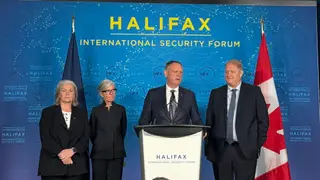
Canadian Defense Minister David McGuinty stated that despite a classified memo from U.S. Defense Secretary Pete Hegseth outlining new defense relationship guidelines, there has been no observable change in military cooperation between the two nations. Pentagon spokesperson Sean Parnell confirmed that the memo's guidance does not affect intelligence sharing, NORAD operations, or NATO collaboration. McGuinty emphasized that defense, security, and intelligence ties between Canada and the United States remain intact.
In late April 2025, the U.S. Department of Defense issued a classified memo under Defense Secretary Pete Hegseth outlining new guidelines for the U.S.-Canada defense relationship, prompting concern in Ottawa despite no public disclosure of its contents. Canadian Defense Minister David McGuinty addressed the issue during a press conference at the Halifax International Security Forum, stating that while he was aware of the memo’s existence, he had not observed any changes in military cooperation with the United States. He emphasized that defense, security, and intelligence ties remain intact, reaffirming Canada’s confidence in the bilateral relationship. Pentagon spokesperson Sean Parnell confirmed that the memo’s guidance does not affect intelligence sharing, NORAD operations, or NATO collaboration. Senator Mike Rounds, R-S.D., echoed this, stating the memo has no operational impact on current U.S. military personnel in Canada or on Five Eyes intelligence cooperation. The report originated from The Washington Post, which first revealed the memo’s existence on a Friday evening, creating a brief diplomatic stir. The situation reflects a broader trend of U.S. defense policy recalibration under the current administration, which has emphasized reinvigorating alliances while prioritizing homeland defense and regional security objectives. The absence of public details on the memo’s content leaves uncertainty about whether the changes are procedural, strategic, or symbolic. What remains unresolved is whether the guidance will lead to future adjustments in joint exercises, information access, or defense procurement coordination, and whether Canada will receive formal clarification.
The reported shift in U.S. defense posture toward Canada, even if currently non-operational, could signal a broader recalibration of North American security dynamics. While immediate military operations remain unaffected, the mere existence of a classified directive may erode trust in the long-standing, seamless defense partnership between the two nations. Given Canada’s deep integration with U.S. defense infrastructure—especially through NORAD and the Five Eyes intelligence network—any perceived tightening of access could affect joint planning, interoperability, and strategic confidence. The situation may prompt Canada to reassess its defense policy alignment, particularly in areas like defense industrial cooperation and joint technology development. A comparable precedent is the 2017 U.S. decision to re-evaluate intelligence-sharing protocols with allies during the Trump administration, which led to temporary friction and calls for greater transparency. While the current situation appears contained, the lack of clarity could lead to diplomatic friction or increased scrutiny of U.S. defense policy in future bilateral negotiations. What to watch for next is whether Canada seeks formal clarification from the U.S. or begins to diversify its defense partnerships, potentially affecting defense procurement markets and North American security architecture.