CBO Warns Navy Shipbuilding Plan Demands 41% Increase in Annual Spending
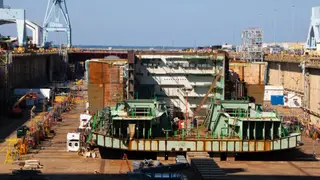
The Congressional Budget Office reports that the Navy’s 2027 shipbuilding plan would require an average annual cost of $53.8 billion, a 41% increase from the past five years. The estimate includes refueling nuclear-powered ships and procuring non-combat vessels, which are not fully accounted for in the Navy’s original plan. CBO notes this level of spending is unprecedented and exceeds historical averages since the Reagan era.
The CBO’s findings could significantly influence defense budget debates in Congress, potentially affecting appropriations for other military branches and civilian programs. If the Navy’s shipbuilding goals proceed as projected, the financial strain may force trade-offs in other defense priorities or require broader fiscal adjustments. The increased spending could also impact the defense industrial base, with potential bottlenecks in shipyard capacity and workforce availability, similar to challenges seen during the Cold War buildup. Historically, such ambitious naval expansions—like the Reagan-era buildup—were accompanied by sustained political and economic commitments, but also led to long-term fiscal pressures. The current situation may mirror those dynamics, especially if the pace of construction outstrips industrial capacity. What may unfold next is a contentious debate over budget allocation, with lawmakers weighing fleet size against other national security needs. The outcome could shape the future of U.S. naval power projection and influence global maritime strategy, particularly in contested regions like the Indo-Pacific.