COP31 Talks Halt as Nations Consider Confrontation with Saudi Arabia Over Fossil Fuel Phaseout
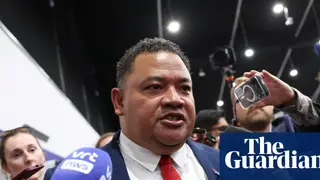
Climate negotiations at the COP31 summit in Antalya, Turkey, stalled as countries debated whether to confront Saudi Arabia and its allies over demands to include a fossil fuel phaseout in the final agreement. The co-conveners, Australia’s Chris Bowen and Turkey’s Murat Kurum, held late-night meetings amid frustration over stalled progress. Developing nations, including Tuvalu, insisted on including fossil fuel transition language, while demands for climate finance from wealthy nations remained unmet.
Climate negotiations at COP31 in Antalya, Turkey, stalled on 21 November 2026 as delegates failed to reach consensus on including a reference to “transition away from fossil fuels” in the final agreement, despite its prior acceptance at COP28 in Dubai. The co-conveners, Australia’s Chris Bowen and Turkey’s Murat Kurum, led late-night talks involving over 130 countries, including the EU, UK, small island states, and least developed nations, all pushing to reinstate the language. Tuvalu’s climate minister, Maina Talia, declared the fossil fuel reference a “red line,” emphasizing the existential threat posed by climate change to low-lying nations. Meanwhile, developing countries reiterated demands for climate finance, citing unmet pledges from wealthy nations. Saudi Arabia and its allies opposed the language, seeking instead to promote carbon capture and storage (CCS) as a central part of the outcome, a move criticized as potentially enabling continued fossil fuel use. The draft text had initially included the transition language but had it removed in a revised version, prompting a protest march to the presidency office. This is the first COP with a dual presidency, a compromise from last year’s bidding process, which some analysts argue has weakened leadership and exacerbated diplomatic fragmentation. The outcome remains uncertain, with a possible next step being a public vote to force Saudi Arabia to formally oppose the stronger text—risking a collapse but potentially exposing geopolitical resistance.
The stalled COP31 talks could deepen global mistrust in multilateral climate governance, particularly among vulnerable nations already facing escalating climate impacts. Small island states and least developed countries may see this failure as confirmation that climate justice remains secondary to fossil fuel interests, potentially undermining future participation in international forums. The unresolved tension between financial commitments and emissions reduction may also affect global climate finance mechanisms, such as the Loss and Damage Fund, which depend on trust and accountability. A comparable precedent is COP27, where the establishment of the Loss and Damage Fund was celebrated but implementation stalled due to funding disputes. If COP31 fails to deliver concrete outcomes, it may prompt civil society and private investors to bypass traditional channels, accelerating independent climate initiatives. The role of CCS and electrification targets—especially the 35% electricity goal by 2035—could influence energy markets, with potential shifts in investment toward renewables or fossil-based technologies depending on the final agreement. What to watch for next is whether the threat of public confrontation will force Saudi Arabia to back down or if the dual presidency’s structural weaknesses will further erode consensus.