Rob Run Peaks at Half a Million Players Amid GTA 6 Anticipation
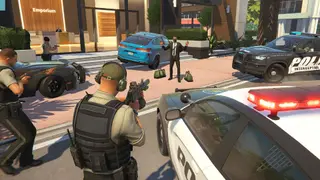
Rob Run, a human-controlled crime sandbox game, has reached over 480,000 concurrent players on Steam, becoming the fourth most-played game on the platform. The surge follows growing anticipation for GTA 6, with players seeking alternatives while waiting for the PC release. Despite its popularity, the game faces criticism due to AI-generated content and widespread cheating.
Rob Run, a human-controlled crime sandbox game developed by Kefir and released on Steam on November 4, 2026, reached a peak of 549,661 concurrent players on November 15, making it the fourth most-played game on the platform—surpassing titles like Apex Legends and rivaling even established giants such as Counter-Strike 2 and Dota 2. The surge in player numbers coincided with the growing anticipation for Grand Theft Auto 6, whose PC release remains unconfirmed, with industry expectations suggesting a wait of 7 to 19 months. As fans of the franchise sought alternatives, Rob Run emerged as a free-to-play, open-world sandbox where players assume roles as either criminals or police in real-time, with progression based on in-game achievements like leading criminal organizations or rising through police ranks. Despite its popularity, the game has drawn sharp criticism for widespread cheating, aggressive player-killing-on-sight (KOS) behavior, and the use of AI in generating certain visual assets, which some players claim exceeds the developer’s stated disclosures. Kefir has acknowledged the issues and is implementing measures such as improved anti-cheat systems, better reporting tools, and voice chat restrictions, but negative reviews persist, particularly from new players who find solo gameplay nearly impossible due to coordinated group camping and server imbalance.
Rob Run’s rapid rise reflects a broader cultural pattern where massive anticipation for a flagship title can create a vacuum filled by niche or experimental alternatives, even when those alternatives are flawed. The game’s success underscores how player communities may temporarily accept significant technical and social shortcomings in exchange for access to a shared, immersive experience during high-demand gaps. This dynamic mirrors the early popularity of games like DayZ or Rust, which thrived on player-driven chaos despite early instability. However, Rob Run’s reliance on AI-generated content and its failure to manage toxic behavior could set a precedent for how developers balance innovation with player experience in the age of generative tools. If unchecked, such issues may erode trust in free-to-play models and accelerate calls for stricter moderation and transparency. The situation may also pressure other studios to prioritize community health and anti-cheat infrastructure earlier in development, especially as AI tools become more prevalent. What remains to be seen is whether Kefir can stabilize the game before player interest wanes or whether the GTA 6 release will trigger a sudden exodus, leaving Rob Run as a cautionary tale of hype-driven growth without sustainable design.