China Aims to Extract Lunar Resources by 2030 to Produce Rocket Fuel
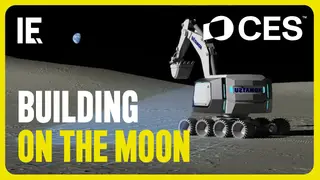
China has set a 2030 deadline to demonstrate technologies for extracting water and oxygen from lunar materials. The extracted resources could be used to produce hydrogen-based rocket propellant, drinking water, and oxygen for astronauts. This effort is part of a broader strategy to support sustainable lunar exploration and operations.
China has set a clear target of 2030 to demonstrate technologies capable of extracting water and oxygen from lunar materials. This initiative is a key step in advancing the nation’s long-term ambitions in space exploration, particularly in enabling sustainable operations on the Moon. The extracted resources would be used to produce hydrogen-based rocket propellant, which could significantly reduce the need to launch fuel from Earth. In addition, the same materials could support life by providing drinking water and breathable oxygen for astronauts. These developments are part of a broader strategy focused on self-sufficiency in space, aiming to lower mission costs and extend the duration of human presence on the lunar surface. The timeline of 2030 reflects a deliberate, phased approach to technological development, with current efforts likely centered on research, prototype testing, and in-situ resource utilization (ISRU) experiments.
While the specific agencies or projects involved are not named in the available information, this effort is consistent with China’s growing investment in space science and exploration, including its Chang’e lunar missions and plans for a permanent lunar research station. The goal of producing rocket fuel on the Moon aligns with global trends in space sustainability, where reducing reliance on Earth-based supply chains is seen as essential for long-term missions. What remains unclear is the exact nature of the technologies being developed, the scale of the demonstration, or the international collaboration—or lack thereof—involved. The next steps, including actual deployment of extraction systems on the Moon, are still uncertain and depend on technological readiness, funding, and geopolitical dynamics.
China’s 2030 goal to extract lunar resources could reshape the economics and logistics of space missions, potentially lowering launch costs and enabling longer-duration human presence on the Moon. If successful, this capability may give China a strategic advantage in future lunar operations, influencing the balance of power in space exploration. Other spacefaring nations and private companies may respond by accelerating their own ISRU efforts, possibly leading to a new phase of competition or cooperation in lunar resource development. The broader impact could extend to global space policy, as questions about ownership, regulation, and equitable access to extraterrestrial resources become more pressing. A comparable precedent is the early 20th-century race to the poles, where technological innovation and national prestige drove exploration, eventually leading to international agreements on usage. What to watch for next is how other countries, particularly the U.S. and members of the Artemis Accords, respond to China’s timeline—whether through joint ventures, accelerated programs, or diplomatic negotiations over lunar governance.