Seven Technologies Could Help US Data Centers Reduce Power Consumption
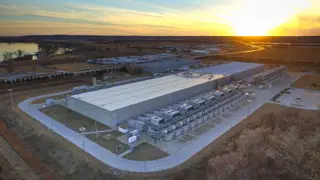
As artificial intelligence drives rising electricity demand, researchers are proposing seven practical solutions to help data centers manage their energy use. These include improved cooling systems, AI-driven load balancing, and integration with renewable energy sources. The strategies aim to reduce strain on the national power grid without compromising performance.
As artificial intelligence continues to expand, data centers—critical infrastructure for cloud computing and machine learning—are facing unprecedented electricity demands. To address this growing strain, researchers have identified seven practical technologies aimed at reducing power consumption in these facilities. While specific names, numbers, or deployment timelines for the technologies are not detailed in the available material, the proposed solutions include advanced cooling systems, AI-driven load balancing, and integration with renewable energy sources. These strategies are designed to maintain high performance while minimizing energy use, thereby alleviating pressure on the national power grid. The emergence of these solutions reflects a broader industry response to the escalating energy footprint of digital infrastructure, particularly as AI models grow more complex and data processing needs surge.
The background for this development lies in the rapid adoption of AI across industries, which has led to a sharp rise in computational workloads. Previous reports have highlighted concerns about data centers consuming a significant and growing share of national electricity, prompting calls for more sustainable practices. Researchers, likely from academic institutions or technology labs, are now stepping forward with actionable approaches. Their goal is to enable data centers to operate efficiently without compromising service quality. The organizations involved—though unnamed—appear to be focused on innovation that supports both environmental sustainability and economic viability. What remains unresolved is the scale of implementation, the timeline for adoption, and whether these technologies will be widely adopted across different regions and data center operators. It is also unclear how regulatory frameworks or market incentives may influence their deployment.
The proposed technologies could significantly influence how digital infrastructure evolves in the coming years, particularly as AI becomes more embedded in everyday services. Data centers are already major consumers of electricity, and reducing their power use may help stabilize energy grids, especially during peak demand periods. This shift could benefit consumers through more reliable power access and potentially lower energy costs over time. Industries reliant on cloud computing—such as finance, healthcare, and entertainment—may see improved service continuity and reduced operational risks. The broader impact may extend to energy markets, where increased integration of renewables into data center operations could accelerate the transition away from fossil fuels. A comparable case is the earlier shift toward energy-efficient servers in the 2010s, which reduced power use without sacrificing performance. What to watch for next is whether these solutions gain traction in large-scale deployments, how quickly they are adopted by major tech firms, and whether governments introduce policies to incentivize or mandate their use.