Signal Implements Default Screenshot Restrictions to Prevent AI Agents from Accessing Chats
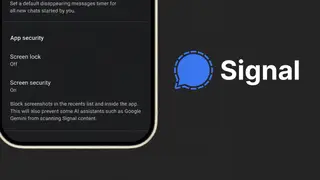
Signal has introduced default screenshot restrictions on Android and iOS to prevent AI agents from reading private messages through screenshots. The feature targets agentic systems integrated into iOS 27 and certain Android versions where Signal detects an AI assistant attempting to access encrypted chats. The company acknowledges the protection is not fully effective.
Signal has rolled out default screenshot restrictions on both Android and iOS platforms to counter emerging threats from AI agents attempting to access encrypted chat content. The feature is specifically designed to detect and block AI assistants integrated into upcoming versions of iOS 27 and certain Android iterations, where Signal has identified attempts to read private messages through automated screenshot capture. While the company emphasizes that this is a proactive measure, it also acknowledges the protection is not foolproof, indicating limitations in the current implementation. The move follows growing concerns about AI systems exploiting device-level access to bypass encryption, particularly in environments where users may unknowingly grant permissions to AI agents. Signal’s decision reflects a broader industry trend of tightening security in response to evolving digital threats, especially those involving artificial intelligence. The company’s focus on default settings underscores its commitment to user privacy by minimizing the need for manual configuration.
The background to this development includes prior reports of AI agents leveraging automated tools to extract data from mobile devices, particularly in systems with open access to system functions. Signal’s proactive stance may be influenced by increasing scrutiny of how AI interacts with personal data, especially in encrypted messaging environments. The organization, known for prioritizing privacy, is positioning itself as a leader in safeguarding user communications against emerging AI-driven vulnerabilities. However, the effectiveness of the restriction remains uncertain, as no technical details about detection mechanisms or bypass methods are disclosed. What remains unclear is whether the feature will be updated in response to future AI advancements or if it will be extended to other platforms. The next steps likely involve monitoring how users and developers adapt, and whether other messaging services adopt similar defaults.
Signal’s new screenshot restrictions could significantly affect how users interact with AI assistants on mobile devices, particularly those relying on automated access to app content. By default blocking AI agents from capturing screenshots, Signal may limit the functionality of AI tools that depend on visual data extraction, potentially impacting user convenience. However, this could also strengthen trust in encrypted messaging platforms, especially as AI integration becomes more common. The move may prompt other apps to reconsider their data access policies, possibly leading to broader industry shifts in how AI agents are permitted to interact with sensitive content. A comparable precedent is Apple’s introduction of App Tracking Transparency in iOS 14, which reshaped how apps collect user data and forced developers to rethink tracking practices. Similarly, Signal’s action may serve as a catalyst for more robust privacy safeguards in AI-enabled environments. What remains to be seen is whether users will notice a decline in AI assistant performance and how developers will respond—either by adapting to the new constraints or seeking alternative access methods. The long-term impact on AI innovation and user experience could be substantial, depending on how these restrictions evolve.