Ohio State's Loss to Nebraska Marks Worst Season in College Football Playoff Era
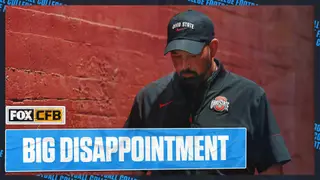
Ohio State suffered a 31-28 loss to Nebraska, marking their third regular-season defeat and ending their College Football Playoff hopes. The Buckeyes, who had previously been ranked in the top 25, became the first such team to lose to Nebraska since 2016. Their defensive line was overwhelmed by Nebraska's ground attack, and head coach Ryan Day faces growing scrutiny ahead of the rivalry game against Michigan.
On November 21, 2026, Ohio State suffered a 31-28 upset loss to Nebraska in Lincoln, marking their third regular-season defeat and ending their College Football Playoff aspirations. This was the first time since 2016 that a top-25 team had lost to Nebraska, breaking a 31-game losing streak against ranked opponents for the Cornhuskers. The Buckeyes’ defense, particularly the defensive line, was overwhelmed by Nebraska’s ground attack, which consistently drove the ball downfield despite knowing the Cornhuskers would run on third-and-short. Head coach Ryan Day’s decision to rely on true freshman quarterback Luke Fahey—filling in for injured starter Julian Sayin—proved ineffective, as Fahey managed only 259 passing yards, most to star receiver Jeremiah Smith, while the running game produced just 76 yards on 22 carries. The loss came at a critical juncture, as Ohio State now faces a pivotal rivalry game against Michigan with their season hanging in the balance. The team, once ranked No. 1 nationally, now stands as the most disappointing program in the Big Ten during the College Football Playoff era, a stark contrast to their recent dominance.
The broader context includes years of high expectations in Columbus, where Ohio State has long been a national powerhouse. The program’s failure to reach the CFP despite possessing the nation’s best player—Julian Sayin—has intensified scrutiny on head coach Ryan Day and defensive coordinator Matt Patricia. Day’s public acknowledgment of the team’s shortcomings and his reliance on a young quarterback reflect deeper concerns about roster depth and coaching decisions. With the Michigan game looming, the stakes are immense: a loss could cement a historic collapse, while a win might salvage some pride. What remains unresolved is whether Day will retain his job, whether Patricia will be replaced, and how the program will rebuild after such a dramatic fall from grace. The long-term impact on recruiting and fan loyalty is yet unknown.
This loss could significantly affect Ohio State’s recruiting pipeline and brand equity, as the program’s reputation for sustained excellence is now under question. Fans, alumni, and donors may reassess their loyalty, especially if the team fails to rebound against Michigan. The broader college football landscape may see a shift in perception of the Big Ten’s dominance, with other programs potentially gaining credibility by defeating a once-untouchable Ohio State. Comparable to the 2011 USC collapse after a national title season, this moment may mark a turning point in how programs manage expectations and adapt to adversity. The ripple effects could extend to NIL deals, media contracts, and betting markets, where confidence in Ohio State’s future performance may wane. What’s next could include coaching changes, a reevaluation of quarterback development, or a strategic overhaul. The outcome of the Michigan game will likely determine whether this is a temporary setback or the beginning of a longer-term decline.