Maine’s Legislature to Choose Next Attorney General in December 2026
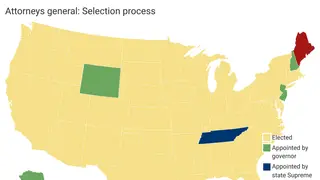
Maine is the only U.S. state where the legislature selects the attorney general, a process set to occur after the December 2, 2026, start of the 2027 legislative session. Two Democratic candidates, Anne Carney and Timothy Shannon, are vying for the nomination to succeed term-limited Attorney General Aaron Frey. Carney, a state senator since 2020, emphasizes defending constitutional rights, while Shannon advocates for state-specific litigation over multistate lawsuits.
Maine’s legislature will select its next attorney general on December 2, 2026, following the start of the 2027 legislative session—the first state in the nation to convene that year. This process is unique in the U.S., as Maine is the only state where the legislature, not voters, chooses the attorney general. The selection will follow a two-step nomination process: Democratic and Republican lawmakers will first choose their party’s nominee via secret ballot during caucus meetings. Then, both chambers of the Legislature will convene in joint session to formally elect the officeholder, requiring a majority of at least 94 out of 186 legislative seats. The current attorney general, Aaron Frey (D), is term-limited and will be succeeded by either Anne Carney or Timothy Shannon, both Democrats. Carney, a state senator since 2020, won re-election in November 2026 with 78.5% of the vote and emphasizes defending constitutional rights. Shannon, a former Yarmouth town councilor and attorney, previously ran for the office in 2018 and advocates for Maine-specific litigation over multistate lawsuits, arguing it better serves the state’s unique interests. As of November 18, 95 multistate lawsuits had been filed against the second Trump administration, underscoring the high stakes of litigation strategy. Democrats hold a supermajority in the Senate (24-11) and a large majority in the House (90-61), giving them strong control over the selection process. The legislature also selects the secretary of state, treasurer, and state auditor, with incumbents Shenna Bellows and Joe Perry running unopposed and Matthew Dunlap not facing re-election until 2028. What remains unresolved is whether the Democratic majority will unify behind one candidate or if internal party dynamics could influence the outcome.
Maine’s legislative selection of its attorney general could reinforce the state’s reputation for distinct political processes, potentially influencing how other states view direct democracy versus legislative appointment. With Democrats holding a supermajority, the outcome may reflect party cohesion more than broad public input, raising questions about accountability in a role that wields significant legal power. The contrast between Carney’s focus on constitutional defense and Shannon’s emphasis on state-specific litigation may signal a broader debate over federalism and state autonomy—particularly in an era of increasing multistate legal coordination. This dynamic could affect how states respond to federal policies, especially on issues like environmental regulation, consumer protection, and civil rights. A comparable precedent is the 2018 case in New Jersey, where legislative appointment of state officials sparked controversy over transparency and democratic legitimacy. In Maine, the lack of a public election may limit public engagement, but could also streamline decision-making in high-stakes legal matters. What to watch for next is whether the legislature’s choice sets a precedent for other states considering similar models, or whether growing public demand for elected officials will pressure Maine to reconsider its unique system.