Luca Guadagnino Abandons 'American Psycho' Adaptation Despite Strong Script
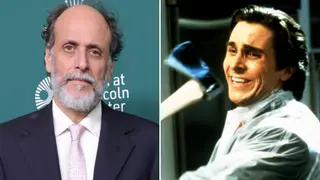
Director Luca Guadagnino has confirmed he is no longer involved in adapting Bret Easton Ellis's 1991 novel 'American Psycho', despite Scott Z. Burns having written what Guadagnino called a 'fantastic script'. The project, initially announced two years prior, is now officially not moving forward.
Luca Guadagnino, the acclaimed Italian director known for films like *Call Me by Your Name* and *Suspiria*, has officially stepped away from directing an adaptation of Bret Easton Ellis’s 1991 novel *American Psycho*, despite having secured a script by screenwriter Scott Z. Burns, whom Guadagnino praised as “fantastic.” The project, first announced two years prior, was initially positioned as a major cinematic event, with Guadagnino’s involvement signaling a bold, auteur-driven take on the controversial novel. However, in a recent appearance on Deadline’s Crew Call podcast, Guadagnino confirmed that the film is no longer moving forward, citing personal creative misalignment rather than the script’s quality. The announcement comes after exclusive reporting by Deadline had previously revealed the collaboration between Guadagnino and Burns, suggesting strong momentum. While the exact reasons for the project’s cancellation remain unspecified, Guadagnino’s public acknowledgment underscores the high stakes and sensitivity surrounding the adaptation of a work long considered both a cultural touchstone and a controversial exploration of consumerism, identity, and violence. The film’s status remains uncertain, with no new director or studio attached at this time.
The cancellation of Guadagnino’s *American Psycho* adaptation reflects broader challenges in adapting culturally charged literary works for modern audiences, particularly those involving moral ambiguity and extreme content. The novel’s legacy—already marked by a 2000 film adaptation by Mary Harron that was both praised and criticized—means any new version must navigate intense scrutiny over tone, representation, and relevance. Guadagnino’s departure may signal a cautious industry shift, where studios and directors weigh artistic ambition against public reception and potential backlash. This could affect future adaptations of similarly polarizing works, potentially leading to more conservative or watered-down interpretations. A comparable precedent is the long-dormant *Fight Club* film adaptation, which faced multiple delays and rewrites before finally being realized. What’s next remains unclear: the script by Burns may be shopped elsewhere, or the project could be shelved indefinitely. Industry watchers should monitor whether another director steps in, and how studios balance artistic integrity with commercial viability in high-profile literary adaptations.