Gigabyte's MO27Q2A QD-OLED Monitor Delivers Premium Gaming Performance at a Surprisingly Low Price
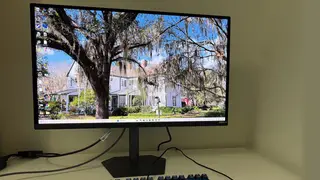
The Gigabyte MO27Q2A is a 27-inch QHD gaming monitor featuring a 280 Hz refresh rate, QD-OLED panel, and support for both G-Sync and FreeSync. It offers exceptional color accuracy, low input lag, and a premium metal build with integrated USB ports and KVM switching. Despite its high-end specs, it delivers strong value, outperforming many more expensive models in its category.
Gigabyte’s MO27Q2A QD-OLED monitor, released in late 2023 and available for $399.99 at Newegg during Black Friday, marks a significant shift in the high-end gaming monitor market. This 27-inch QHD display boasts a 280 Hz refresh rate, QD-OLED panel technology, and support for both G-Sync and FreeSync, delivering near-instantaneous response times of 0.03ms and unmeasurable contrast. It features a 1,000-nit peak brightness for 3% window patterns, 10-bit color depth, and over 108% DCI-P3 color gamut coverage, with factory calibration that eliminates the need for user adjustment. The monitor includes USB-C (18W power delivery), two HDMI 2.1 ports, DisplayPort 1.4 with DSC, and KVM switching via USB-A ports, all within a mostly metal chassis with a height-adjustable stand. Despite its premium features, it is priced significantly below comparable models, undercutting even high-refresh LCDs that once commanded similar prices.
This move reflects a broader trend in consumer electronics where OLED technology—once reserved for luxury devices—is now being aggressively priced to expand market share. Gigabyte, known for performance-oriented hardware, is leveraging this shift to challenge established players like LG and Samsung, who previously dominated the OLED space with higher price points. The company’s focus on longevity through pixel refresh, AI-driven pixel-level monitoring, and a three-year burn-in warranty signals a strategic effort to address OLED’s historical reliability concerns. The absence of LED lighting is a notable omission, but it’s a trade-off that doesn’t compromise core performance. What remains unresolved is whether this pricing strategy will trigger a price war across the industry or if Gigabyte’s model will remain an outlier due to supply constraints or component costs.
The MO27Q2A’s aggressive pricing could accelerate the mainstream adoption of OLED in gaming, potentially pushing LCDs out of the high-refresh, high-color-accuracy segment. Gamers, particularly competitive players and content creators, may now view OLED as a standard rather than a premium luxury, reshaping expectations for display quality. This could pressure other manufacturers to either match pricing or innovate in non-price areas—such as build quality, software features, or energy efficiency—potentially leading to a more diverse and competitive market. A comparable precedent is the 2015 shift when OLED TVs became affordable enough to disrupt the LCD market, though that transition took years. The current situation may unfold faster due to mature manufacturing and rising demand. What’s next could be a wave of mid-tier OLED monitors from other brands, or a consolidation if smaller players can’t sustain low margins. The long-term impact may also influence PC component design, with future GPUs and consoles optimizing for OLED’s unique capabilities.