Egyptian Housing Ministry Reports Progress on 100,000 Housing Units in October New City
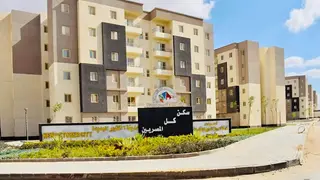
The Ministry of Housing and Urban Communities reported ongoing progress on the construction of approximately 100,000 housing units in October New City, part of the presidential initiative 'Housing for Every Egyptian' and green housing projects near the airport. Work includes road development, utility networks, landscaping, and irrigation systems. The ministry emphasized accelerating construction timelines and improving infrastructure to meet project deadlines.
The Egyptian Ministry of Housing and Urban Communities has reported ongoing progress on the construction of approximately 100,000 housing units in October New City, part of the presidential initiative “Housing for Every Egyptian” and green housing projects near the international airport. This large-scale development includes infrastructure work such as road networks, utility systems, landscaping, and irrigation, with a focus on accelerating timelines to meet project deadlines. The initiative is being implemented across three new urban centers—6 October City, October New City, and Gardens of October—each undergoing parallel upgrades in transportation, utilities, and public spaces. In October New City, the project encompasses both mass housing and environmentally sustainable developments, with construction efforts intensified through increased labor deployment and accelerated timelines. Meanwhile, in 6 October City, key infrastructure projects include the rehabilitation of major roads like the Al-Obour corridor and the 26 July Axis, alongside upgrades to water networks in the Al-Husri area and ongoing maintenance of green spaces and drainage systems. In Gardens of October, work continues on major residential complexes such as 810 Apartments and Valera Gardens, with a focus on completing utilities and road networks. A new sewage pumping station with a capacity of 45,000 cubic meters per day has been activated in the Orchid Gardens area, and efforts to clear storm drains and combat illegal construction are ongoing.
The project is led by Minister Randa Al-Manshawi, who has emphasized the need for accelerated execution, improved service delivery, and strict enforcement against encroachments. Key agencies involved include the Development Agencies for 6 October, October New City, and Gardens of October, each headed by senior engineers overseeing on-the-ground implementation. The government’s broader goal is to address housing shortages, improve urban planning, and enhance the national image through modern, sustainable cities. However, challenges remain, including the need for consistent maintenance of new infrastructure, resolving delays in project handovers (such as the Azhar Institute in Nasr 1), and ensuring long-term sustainability of green initiatives. What remains unclear is whether the 100,000-unit target will be met on schedule, and how the integration of green spaces and sustainable design will be maintained post-construction.
The expansion of housing in October New City and surrounding urban centers could significantly impact Egypt’s urban demographic landscape by providing affordable housing to lower- and middle-income families, potentially reducing overcrowding in older urban areas. The focus on green infrastructure and sustainable design may also influence future urban development policies, setting a precedent for environmentally conscious planning in other new cities. The project’s emphasis on rapid execution and infrastructure upgrades could stimulate local employment and boost construction-related industries, though long-term success depends on effective maintenance and service delivery. Comparable to Egypt’s earlier New Urban Communities project in the 1990s, this initiative may face similar challenges in ensuring equitable access and preventing informal settlements. The government’s visible oversight through ministerial visits and public reporting suggests a strategic effort to project stability and progress, which could influence investor confidence and public trust. What to watch for next is whether the project’s sustainability goals—particularly in water management and green space maintenance—are upheld beyond the initial construction phase, and how residents adapt to life in these newly developed urban zones.